Why Understanding the Wound Healing Process Is Important
The human body has an incredible ability to heal itself after an injury. Whether it’s a small cut, surgical incision, or foot ulcer, every wound follows a natural healing process designed to repair damaged tissue and restore normal function. However, not all wounds heal at the same rate. Foot wounds, in particular, can be more challenging because they are constantly exposed to pressure, friction, and reduced circulation.
For individuals with diabetes, Peripheral Artery Disease (PAD), Chronic Venous Insufficiency (CVI), or other vascular conditions, the healing process may slow significantly. Understanding the different stages of wound healing can help patients recognize when healing is progressing normally and when professional medical care is needed.
Stage One: Hemostasis – Stopping the Bleeding
The first stage of wound healing begins immediately after an injury occurs. During this phase, known as hemostasis, the body works quickly to stop bleeding by forming a blood clot. Platelets gather at the wound site and release proteins that create a protective barrier over the injured tissue.
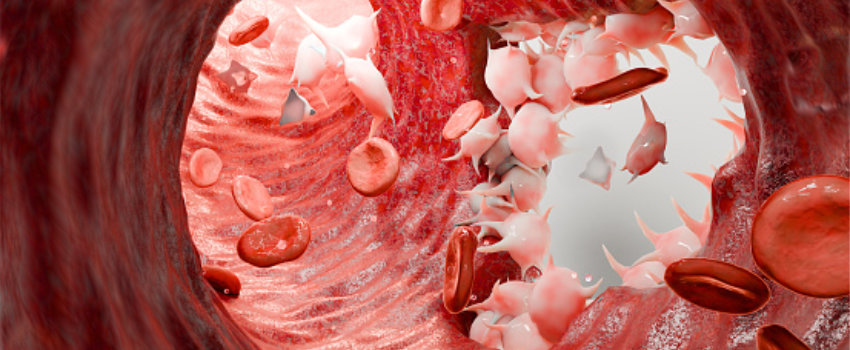
This clot not only prevents excessive blood loss but also serves as the foundation for the healing process. It protects the wound from outside contaminants while signaling the body’s repair mechanisms to begin rebuilding damaged tissue.
For most healthy individuals, this stage occurs within minutes to hours after the injury.
Stage Two: Inflammation – Protecting the Wound
Once bleeding has stopped, the inflammatory phase begins. Although inflammation often has a negative reputation, it is an essential part of wound healing. During this stage, white blood cells travel to the wound to remove bacteria, dead tissue, and debris while helping prevent infection.
It is normal for the wound to appear slightly red, swollen, and warm during this stage. These are signs that the immune system is actively working to protect the injured area.
However, patients with diabetes or poor circulation may experience prolonged inflammation because reduced blood flow limits the delivery of immune cells and oxygen needed for healing. When inflammation persists too long, the wound can become chronic and increasingly difficult to heal.
Stage Three: Proliferation – Building New Tissue
The proliferation phase is when the body begins rebuilding the damaged area. New blood vessels develop to improve circulation, collagen is produced to strengthen the tissue, and healthy skin cells gradually grow across the wound.
This stage depends heavily on adequate oxygen and nutrient delivery. If blood flow is compromised by vascular disease, tissue growth slows considerably. Wounds may remain open for weeks or even months if circulation problems are not addressed.
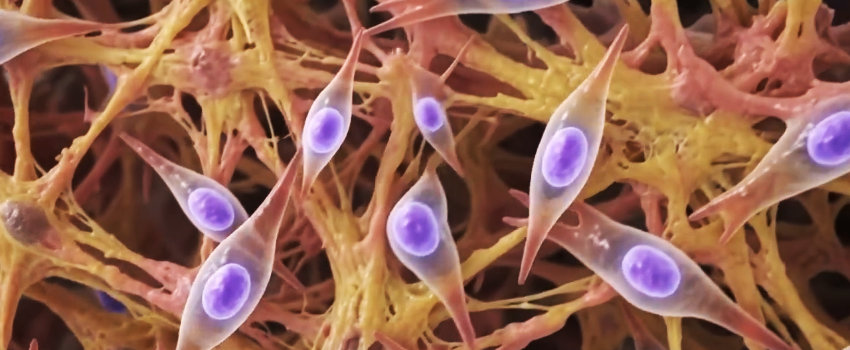
Advanced wound care techniques, proper nutrition, infection control, and improved blood flow all play critical roles in helping patients successfully progress through this stage.
Stage Four: Remodeling – Strengthening the Tissue
The final stage of wound healing is remodeling, sometimes referred to as maturation. During this phase, newly formed tissue becomes stronger and more organized. Collagen fibers continue to rebuild, improving the strength and durability of the healed skin.
Although the wound may appear fully healed on the surface, internal tissue remodeling can continue for several months. Patients should continue following their healthcare provider’s recommendations during this period to minimize the risk of reopening the wound or developing new injuries.
For individuals with chronic vascular conditions, ongoing monitoring remains important even after the wound has healed.
Factors That Can Delay Foot Wound Healing
Several factors can interfere with the normal stages of wound healing. Poor circulation caused by Peripheral Artery Disease or Chronic Venous Insufficiency is one of the leading reasons wounds fail to heal. Diabetes can further complicate recovery by damaging both blood vessels and nerves, reducing circulation while making it difficult for patients to detect new injuries.
Smoking, uncontrolled blood sugar, infection, excessive pressure on the wound, poor nutrition, and delayed medical treatment can all slow healing and increase the risk of serious complications. Because these factors often work together, successful treatment requires more than simply covering the wound with a dressing.
Identifying and addressing the underlying cause is essential for long-term healing.
Expert Wound Care at Washington Vascular Specialists
At Washington Vascular Specialists, we understand that every wound tells a story about a patient’s overall vascular health. Our experienced specialists look beyond the wound itself to identify circulation problems, vascular disease, and other conditions that may be preventing proper healing.

Using advanced diagnostic technology and evidence-based treatment options, we develop personalized care plans that combine comprehensive wound management with treatments designed to restore healthy blood flow. From diabetic foot ulcers and arterial wounds to chronic venous ulcers, our team is committed to helping patients heal faster while reducing the risk of infection, hospitalization, and amputation.
Our goal is not simply to close the wound—but to restore your vascular health and help prevent future complications.
Don’t Wait to Treat a Slow-Healing Foot Wound
If you have a foot wound that is not improving or seems to be getting worse, early intervention can make all the difference. Understanding the stages of wound healing is important, but recognizing when healing has stalled is even more critical.
At Washington Vascular Specialists, we provide comprehensive vascular evaluations, advanced wound care, and personalized treatment plans designed to promote faster healing and improve long-term outcomes.
Schedule an appointment today and let our experienced vascular specialists help you take the next step toward complete healing and better vascular health.
Call 301-891-2500 to schedule your consultation with Washington Vascular Specialists.