Understanding Toe Ulcers and Why They Are Difficult to Heal
Toe ulcers are open wounds that develop when skin and underlying tissue break down, often as a result of diabetes, Peripheral Artery Disease (PAD), or prolonged pressure on specific areas of the foot. These wounds can be slow to heal because they are constantly exposed to mechanical stress during walking and standing. Even with proper wound care and infection control, healing may be delayed if the underlying pressure on the affected area is not addressed.
One of the most overlooked factors in wound healing is the role of continuous pressure. Every step places force on the foot, particularly on the toes, which can prevent tissue from regenerating and cause wounds to reopen. This is where offloading becomes a critical component of effective treatment.
What Is Offloading in Toe Ulcer Treatment?
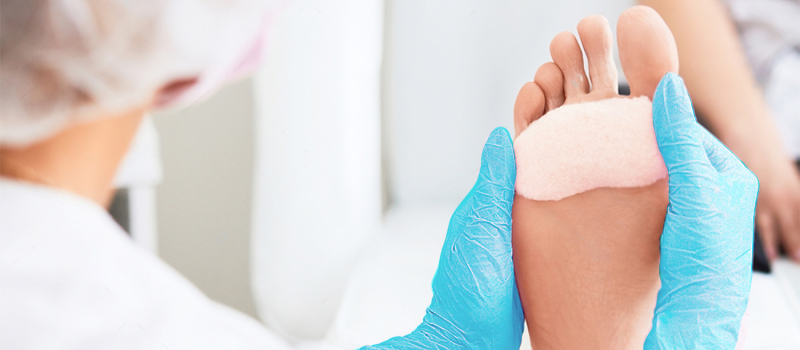
Offloading refers to the process of reducing or redistributing pressure away from the wound site to allow proper healing. Instead of allowing repeated stress to interfere with tissue repair, offloading techniques help create an environment where the body can regenerate damaged tissue more efficiently.
In patients with reduced sensation, such as those with diabetic neuropathy, pressure may go unnoticed and continue to damage the wound. Offloading works by physically protecting the area, minimizing contact, and preventing further breakdown. This approach is not just supportive—it is often essential for successful wound healing.
How Pressure Impacts Wound Healing
When constant pressure is applied to a toe ulcer, it disrupts blood flow to the area and increases inflammation. This limits the delivery of oxygen and nutrients needed for tissue repair. Over time, the wound may deepen, become infected, or fail to respond to standard treatments.
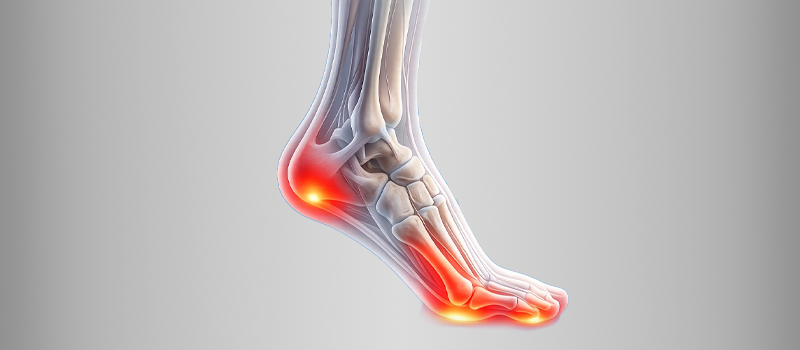
Offloading reduces this pressure, allowing circulation to improve and giving the tissue an opportunity to heal without interruption. In many cases, patients who do not see improvement with traditional wound care begin to heal once proper offloading techniques are implemented.
Offloading Techniques Used in Treatment
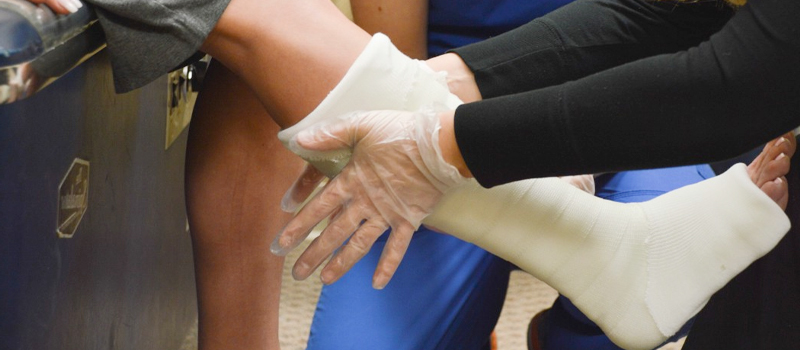
There are several approaches to offloading, depending on the severity and location of the ulcer. Total contact casting is considered one of the most effective methods, as it distributes weight evenly across the foot and minimizes pressure on the ulcer. Removable cast walkers and specialized footwear are also commonly used to reduce stress on the affected area while still allowing limited mobility.
Custom orthotics and padding can further enhance pressure redistribution by targeting specific high-risk areas of the foot. The choice of technique depends on the patient’s condition, lifestyle, and ability to comply with treatment recommendations.
Why Offloading Is Critical for Preventing Complications
Without proper offloading, toe ulcers are at a much higher risk of complications, including infection, tissue death, and recurrence. Even if a wound begins to heal, continued pressure can quickly reverse progress and restart the cycle of damage.
Consistent offloading not only promotes faster healing but also reduces the likelihood of long-term issues such as chronic wounds or amputation. It is a foundational part of any comprehensive wound care plan and should never be overlooked.
Expert Toe Ulcer Care at Washington Vascular Specialists
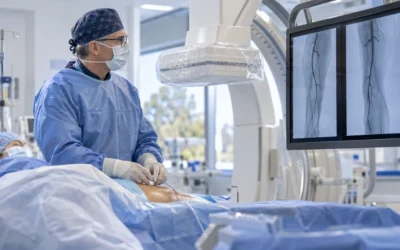
At Washington Vascular Specialists, we understand that treating toe ulcers requires more than basic wound care. Our approach focuses on addressing the root causes of delayed healing, including pressure, circulation, and underlying vascular conditions. We use advanced diagnostic tools and personalized treatment plans to ensure that each patient receives the most effective combination of therapies.

Offloading is a key part of our strategy, helping patients heal faster while reducing the risk of complications. Whether you are dealing with a new ulcer or a wound that has not improved, our team is here to provide expert guidance and care.
If you are experiencing a toe ulcer or slow-healing wound, do not wait for it to worsen.
Schedule your consultation with Washington Vascular Specialists today and take the first step toward faster, safer healing.
Call 301-891-2500 to get started.