Understanding the Challenges of Vascular Wound Care
Not all wounds heal the same way. While many cuts and scrapes naturally recover within days or weeks, vascular wounds are far more complex. These wounds often develop because of underlying circulation problems that prevent the body from delivering enough oxygen and nutrients to damaged tissue. As a result, healing becomes delayed, increasing the risk of infection, chronic pain, tissue loss, and even amputation.
One of the greatest challenges in vascular wound care is that treating the wound itself is only one part of the solution. Unless the underlying vascular condition is identified and managed, even the most advanced wound dressings may fail to produce lasting results. Successful treatment requires a comprehensive approach that addresses both the wound and the circulatory system responsible for healing it.
Why Vascular Wounds Are Difficult to Heal
Healthy wound healing depends on adequate blood flow. Blood carries oxygen, nutrients, immune cells, and growth factors that are essential for tissue repair. When circulation is compromised by conditions such as Peripheral Artery Disease (PAD), Chronic Venous Insufficiency (CVI), or diabetes-related vascular disease, the healing process slows dramatically.
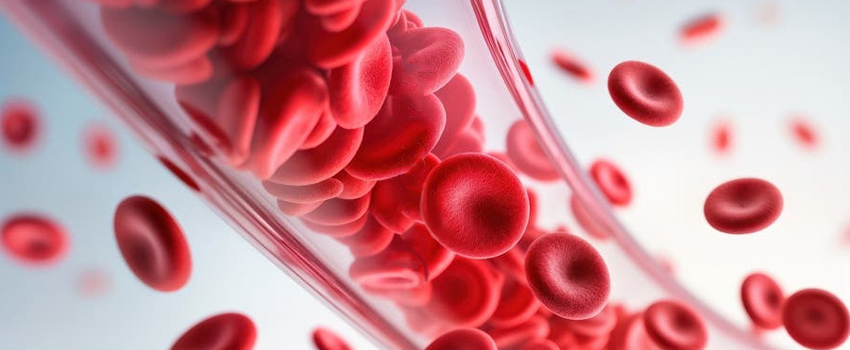
In many cases, vascular wounds remain trapped in the inflammatory stage of healing. Instead of progressing toward tissue repair, the wound becomes vulnerable to infection, bacterial growth, and ongoing tissue damage. Even minor injuries can gradually develop into chronic wounds if circulation problems are left untreated.
Another challenge is that many patients experience reduced sensation due to diabetic neuropathy or nerve damage. Without pain serving as a warning sign, wounds may continue to worsen before patients realize they need medical attention.
The Importance of Early Diagnosis
Early diagnosis is one of the most effective ways to improve wound healing outcomes. Many patients attempt to manage wounds at home without realizing that poor circulation is preventing recovery. Delaying treatment allows the wound to progress and increases the likelihood of serious complications.
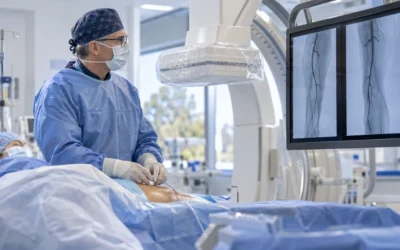
A comprehensive vascular evaluation helps determine whether circulation problems are contributing to delayed healing. Diagnostic tools such as Doppler ultrasound, ankle-brachial index (ABI) testing, vascular imaging, and transcutaneous oxygen measurements allow specialists to accurately evaluate blood flow and identify the underlying cause of the wound.
By identifying circulation problems early, physicians can recommend treatments that improve healing before permanent tissue damage occurs.
Advanced Treatments for Better Healing
Modern vascular wound care combines advanced medical technology with personalized treatment plans designed to restore circulation and support tissue repair. Treatment often begins by improving blood flow through minimally invasive procedures such as angioplasty, stenting, or vein treatments when appropriate.
Once adequate circulation has been restored, wound care specialists may utilize advanced therapies including negative pressure wound therapy (NPWT), biologic dressings, cellular tissue products, antimicrobial treatments, and specialized debridement techniques. These therapies create an optimal healing environment while reducing the risk of infection.
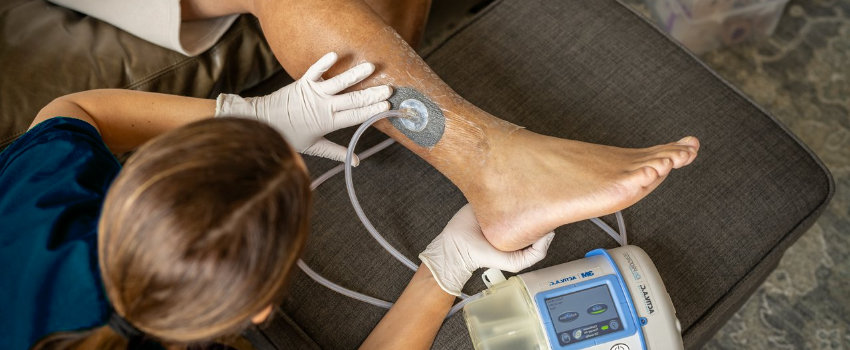
Every wound is different, which is why treatment plans must be tailored to each patient’s specific condition, medical history, and vascular health.
Patient Participation Is Essential
Successful vascular wound care extends beyond the doctor’s office. Patients play an important role in supporting the healing process through proper wound care, medication compliance, blood sugar control, smoking cessation, nutrition, and routine follow-up appointments.
Even simple lifestyle changes can significantly improve circulation and reduce the likelihood of wound recurrence. Maintaining regular communication with a vascular specialist allows treatment plans to be adjusted as healing progresses and helps identify potential complications before they become serious.
The combination of expert medical care and active patient participation often leads to the best long-term outcomes.
Comprehensive Wound Care at Washington Vascular Specialists
At Washington Vascular Specialists, we understand that vascular wounds require far more than routine wound care. Our specialists focus on identifying and treating the underlying vascular conditions that prevent wounds from healing. Using advanced diagnostic technology and evidence-based treatment options, we develop personalized care plans designed to improve circulation, accelerate healing, and reduce the risk of complications.
Our multidisciplinary approach combines minimally invasive vascular procedures, advanced wound care techniques, patient education, and long-term follow-up to give every patient the best opportunity for recovery. Whether you’re dealing with a diabetic foot ulcer, venous leg ulcer, arterial wound, or another chronic wound, our experienced team is committed to helping you heal safely and effectively.

Take the First Step Toward Better Wound Healing
Vascular wounds should never be ignored. Early evaluation and expert treatment can prevent complications, improve healing, and protect your long-term vascular health.
At Washington Vascular Specialists, our mission is to provide compassionate, comprehensive care using the latest advancements in vascular medicine and wound management. We are proud to help patients throughout the region regain their health, mobility, and quality of life.
If you have a wound that isn’t healing or you’re concerned about your circulation, schedule a consultation with Washington Vascular Specialists today. Early intervention can make all the difference.
Call 301-891-2500 to schedule your appointment and learn how our expert team can help you overcome the challenges of vascular wound care.