
Natural Ways to Soothe Toe Ulcers: Safe Home Care Tips That Support Healing
Explore safe ways to protect toe ulcers, reduce pressure, and support wound healing—and know when professional vascular care is essential.
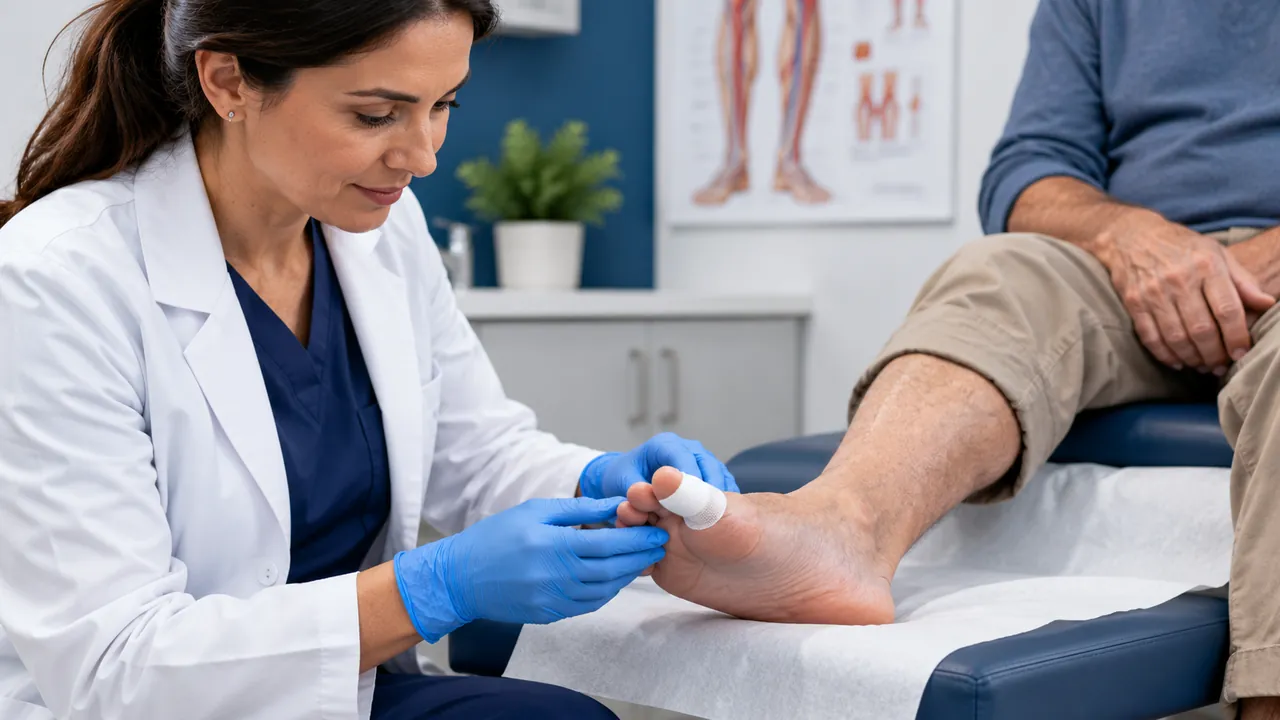
Caring for a Toe Ulcer Starts With Understanding the Wound
It might begin with something small. A blister from a new pair of shoes, a sore spot near your toenail, or a tiny break in the skin that doesn’t seem particularly serious. You expect it to heal on its own, but days pass, and the wound is still there.
Toe ulcers can be frustrating, especially when they make walking uncomfortable or interfere with everyday activities. It’s understandable to look for simple, natural ways to ease discomfort and help your skin recover.
However, toe ulcers are different from ordinary cuts and scrapes. They may develop because of diabetes, poor circulation, nerve damage, or repeated pressure on the skin. When these underlying problems are present, even a small wound can become difficult to heal.
The good news is that several practical habits can support the healing process. The key is knowing which approaches are helpful, which should be avoided, and when professional wound care is necessary.
Why Toe Ulcers Sometimes Struggle to Heal
Healthy wound healing depends on adequate blood flow, proper nutrition, protection from injury, and the body’s ability to fight infection.
When circulation is reduced by Peripheral Artery Disease (PAD), the tissues of the feet may not receive enough oxygen and nutrients to repair themselves efficiently. Diabetes can make matters more complicated by damaging nerves and blood vessels.
Some people with diabetic neuropathy cannot fully feel pressure or irritation in their toes. As a result, they may continue walking on an injured area without realizing the wound is getting worse.
This is why treating the visible sore is only part of the solution. Understanding what caused it is just as important.
Gentle Wound Care: Keep the Area Clean and Protected
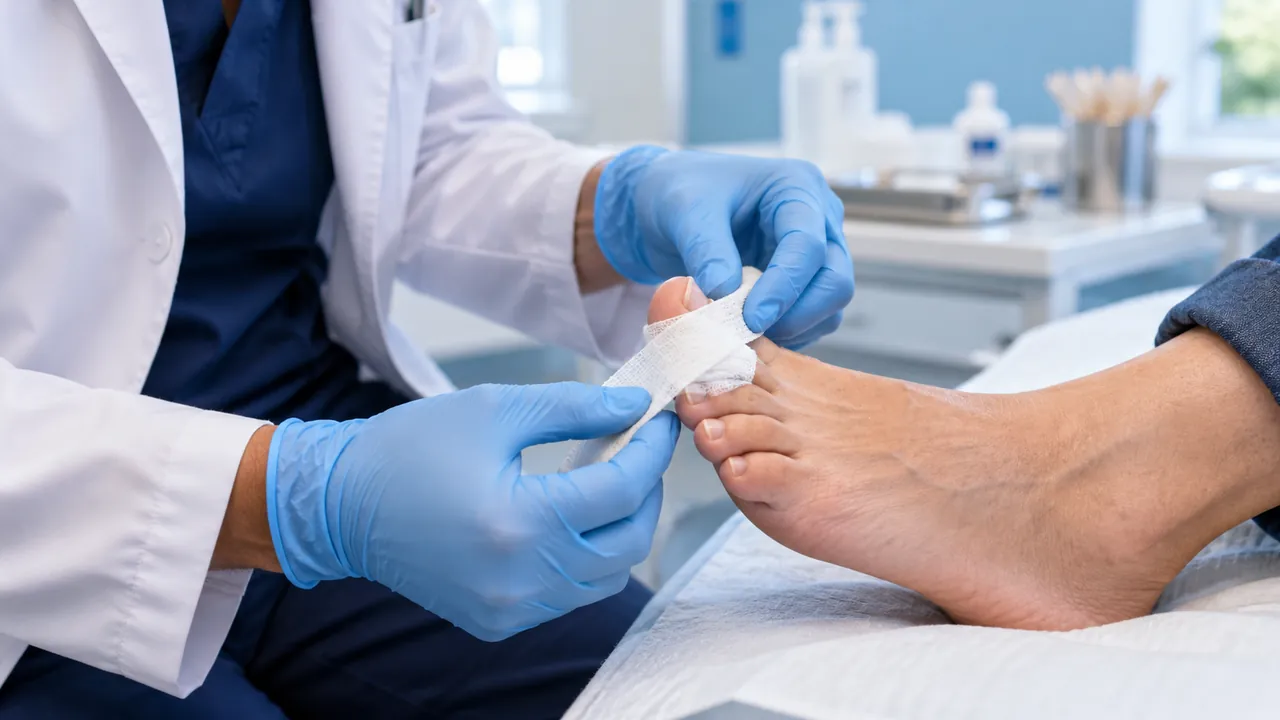
One of the most helpful things you can do for a toe ulcer is protect it from further damage.
After a healthcare professional has evaluated the wound, follow their instructions for cleaning and dressing it. This may involve gently cleansing the area with saline or another recommended solution and applying an appropriate wound dressing.
The goal is to protect the tissue while maintaining the healing environment recommended by your wound-care provider.
Avoid soaking an ulcer in a footbath or scrubbing the wound. Prolonged moisture exposure can soften surrounding skin and contribute to additional damage.
It’s also best to avoid applying rubbing alcohol, hydrogen peroxide, or harsh household disinfectants unless specifically instructed by a clinician. These substances can irritate healthy tissue.
Simple wound care can be effective, but it needs to be appropriate for the type and severity of the ulcer.
Reduce Pressure on Your Toes to Support Healing
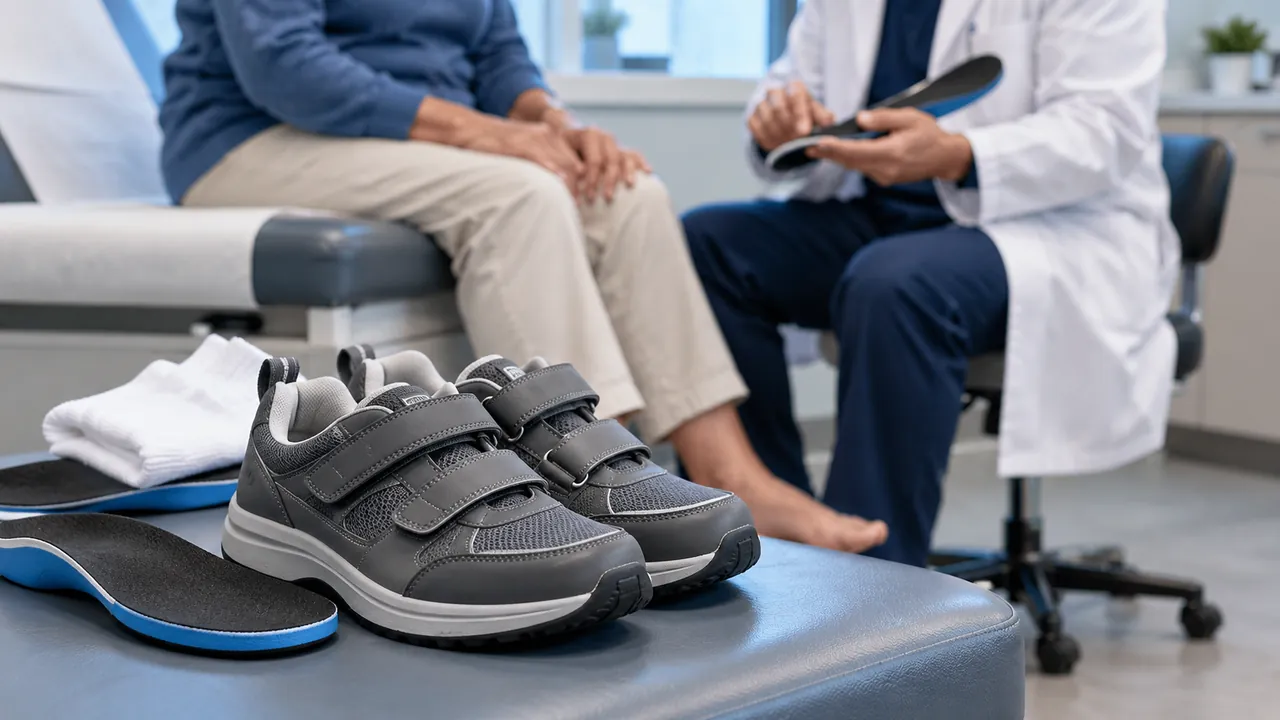
Imagine trying to repair a small tear in a piece of fabric while someone keeps pulling on it. Something similar can happen when an injured toe experiences repeated pressure or friction.
Every step places some amount of force on the feet. For someone with a toe ulcer, poorly fitting shoes or repeated rubbing can interfere with the healing process.
Reducing pressure is called offloading, and it is an important part of treating many foot and toe ulcers.
Depending on the wound’s location, your healthcare provider may recommend specialized footwear, protective padding, orthotics, or a medical offloading device.
Try to avoid shoes that squeeze your toes, rub against the affected area, or place unnecessary pressure on the wound. Do not cut holes in shoes or improvise pressure-relief devices without medical guidance, particularly if you have diabetes or reduced foot sensation.
Giving an injured toe the protection it needs can make a meaningful difference in preventing further tissue damage.
Support Your Body With Proper Nutrition and Hydration
Healing requires energy, and your body needs the right nutrients to rebuild damaged tissue.
Protein is particularly important because it helps the body repair and maintain healthy tissue. Foods such as eggs, fish, chicken, beans, yogurt, and other protein sources can contribute to a balanced diet that supports recovery.
Vitamin C, zinc, and other nutrients also play roles in normal wound healing. Fruits, vegetables, whole grains, and nutrient-rich foods can help provide what your body needs.
Staying adequately hydrated supports overall health as well.
You generally don’t need expensive supplements or special healing drinks. If you have nutritional deficiencies, dietary restrictions, or a wound that is not healing, your healthcare team can help determine whether additional nutritional support is appropriate.
For individuals with diabetes, following a recommended blood sugar management plan is especially important because persistently elevated glucose levels can interfere with healing and increase infection risk.
Are Natural Products Safe to Apply to Toe Ulcers?
Natural remedies are widely discussed online. You may have seen recommendations involving honey, aloe vera, coconut oil, tea tree oil, herbal preparations, or homemade soaking solutions.
Although some of these products have been studied for certain skin conditions, natural does not automatically mean safe or effective for an open toe ulcer.
In fact, international diabetic foot guidelines do not recommend honey or herbal wound applications for the purpose of healing diabetes-related foot ulcers because reliable evidence of benefit is insufficient.
Household products may also irritate damaged tissue or introduce contaminants.
Instead of experimenting with substances found in the kitchen or medicine cabinet, use wound-care products recommended by your healthcare professional.
There is nothing wrong with wanting a gentle approach. The safest approach is one that protects the wound without delaying effective treatment.
Healthy Daily Habits That Can Help Prevent Further Damage
While an ulcer is healing, small decisions throughout the day matter.
Check your feet regularly for changes in the wound, new blisters, redness, swelling, drainage, or skin discoloration. If you have difficulty seeing the bottoms of your feet, ask someone to help or use a mirror.
Keep the surrounding skin clean, avoid walking barefoot, and use footwear that fits properly without rubbing the affected toe.
If you smoke, quitting is one of the most important steps you can take for your vascular health. Smoking damages blood vessels and can reduce the circulation needed for wound healing.
Movement can support overall health, but your activity level should follow your provider’s guidance while an ulcer is present. Walking more is not always the right choice when an open wound needs pressure relief.
These everyday habits work best alongside an appropriate medical treatment plan.
When a Toe Ulcer Needs Professional Medical Attention
One of the biggest mistakes people make with toe ulcers is waiting too long to seek help.
If you have diabetes, known PAD, neuropathy, or reduced circulation, any new toe ulcer deserves prompt medical evaluation, even if it isn’t painful.
Increasing redness, swelling, warmth, drainage, foul odor, or worsening pain may indicate infection and should receive urgent attention. Blackened tissue, a suddenly cold or discolored foot, or rapidly worsening symptoms may indicate a serious problem requiring emergency care.
For patients with poor circulation, an ulcer that is not healing may signal that blood flow to the foot is inadequate.
Addressing that underlying problem can be essential to protecting the affected tissue and reducing the risk of more serious complications.
Toe Ulcer and Vascular Wound Care at Washington Vascular Specialists
At Washington Vascular Specialists, caring for a stubborn toe ulcer begins with understanding why the wound developed and what may be preventing it from healing.
The practice evaluates conditions such as Peripheral Artery Disease, vascular wounds, unhealed foot wounds, and ulcers affecting the toes.
Mubashar Choudry, MD, FACC, specializes in endovascular intervention and interventional cardiology. The physician team also includes vascular surgeons Donald Wilkerson, MD, and Sajid Shah, MD, providing expertise in diagnosing and treating vascular conditions that may interfere with wound healing.
When poor arterial circulation contributes to a nonhealing wound, treatment may involve vascular testing and, when appropriate, minimally invasive procedures intended to improve blood flow. Patients may also need coordinated wound care, infection management, and offloading.
Washington Vascular Specialists has locations in Takoma Park, Frederick, Upper Marlboro, Baltimore, and Germantown, Maryland, as well as Fairfax, Virginia, helping patients throughout the region access vascular care close to home.
A Small Toe Wound Deserves the Right Attention
Most people don’t expect a small sore on their toe to interrupt their routine. But when the wound refuses to heal, the uncertainty can be as frustrating as the discomfort.
Gentle wound protection, appropriate footwear, good nutrition, and healthy daily habits can support recovery. Still, these measures cannot correct an underlying circulation problem or treat a serious infection.
If you have a toe ulcer that is not improving, don’t rely on home remedies alone.
Washington Vascular Specialists can evaluate your circulation, identify vascular conditions that may be affecting healing, and help determine the next steps in your care.
Call 301-891-2500 or request an appointment online to schedule a vascular evaluation. Give your toe the attention it needs before a small wound becomes a bigger concern.
Frequently Asked Questions About Natural Toe Ulcer Care
Can a toe ulcer heal naturally without medical treatment?
Some minor wounds heal with basic care, but a true toe ulcer—particularly in someone with diabetes, neuropathy, or poor circulation—requires medical assessment. Healing may be delayed by pressure, infection, or inadequate blood flow.
Is honey a good natural remedy for toe ulcers?
Honey is sometimes promoted as a wound treatment, but current diabetic foot guidelines do not recommend it for healing diabetes-related foot ulcers. Avoid applying household honey or other homemade treatments to an open ulcer.
Can I soak my feet to soothe a toe ulcer?
Soaking is generally discouraged because prolonged moisture can damage the surrounding skin. Follow your wound-care provider’s recommendations for safe cleaning instead.
Does elevating my feet help a toe ulcer heal?
Elevation may help certain types of swelling, but it does not correct blocked arteries. In people with severe PAD, raising the feet may worsen ischemic discomfort. Ask your vascular specialist whether elevation is appropriate for your condition.
What helps a diabetic toe ulcer heal faster?
The most effective approach usually involves appropriate wound care, pressure relief, blood sugar management, infection treatment when needed, adequate nutrition, and assessment of circulation. Treatment should be individualized.
When should I see a vascular specialist about a toe ulcer?
Seek prompt evaluation if you have an open toe ulcer and diabetes or known circulation problems, or if a wound is not improving. Signs of infection or reduced blood flow warrant more urgent attention.
Related Vascular Health Topics
Understanding the relationship between pressure, circulation, and wound healing can help patients make better decisions about foot care.
Explore these related Washington Vascular Specialists articles:
- Footwear Choices to Prevent and Manage Toe Ulcers
- Understanding the Stages of Foot Wound Healing
- Treatment of Wounds at Washington Vascular Specialists
Together, these resources explain how protecting an ulcer, reducing pressure, and addressing vascular conditions can support safer healing.
More in this topic
View all →
The Connection Between Vascular Health and Wound Healing: Why Healthy Circulation Matters
Every wound, whether it's a minor cut, surgical incision, or chronic ulcer, depends on one critical factor for healing: healthy blood circulation. The vascular system is responsible for delivering…
Read article →
Understanding the Stages of Foot Wound Healing: What Every Patient Should Know
The human body has an incredible ability to heal itself after an injury. Whether it's a small cut, surgical incision, or foot ulcer, every wound follows a natural healing process designed to repair…
Read article →
Overcoming the Challenges of Vascular Wound Care, Improving Healing and Preventing Complications
Not all wounds heal the same way. While many cuts and scrapes naturally recover within days or weeks, vascular wounds are far more complex. These wounds often develop because of underlying…
Read article →