
PAD Treatment Options: Procedures, Risks and Recovery
Learn how PAD treatment is selected, how angioplasty, stents and bypass differ, and what to ask about procedure risks, devices and recovery.
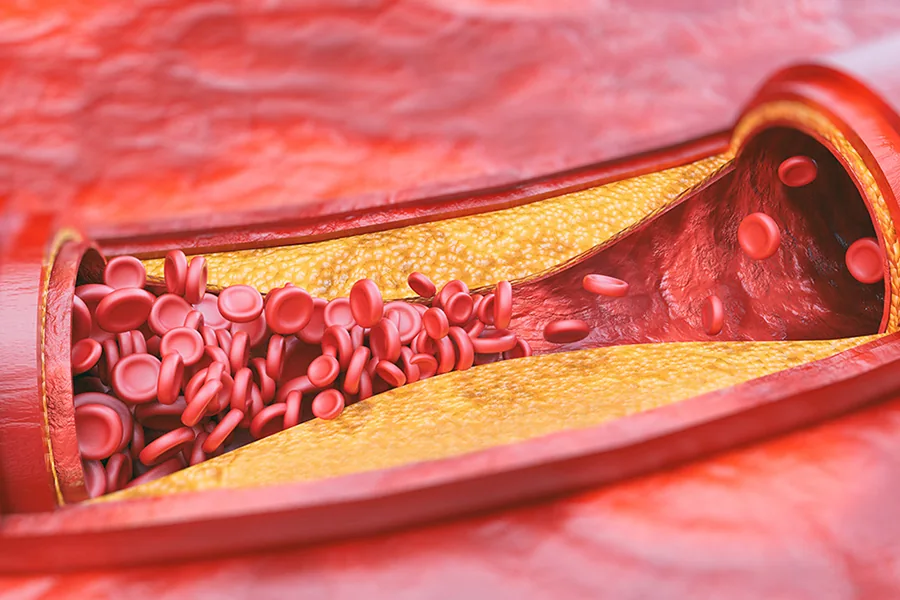
PAD treatment starts with your needs
Peripheral artery disease (PAD) treatment aims to improve symptoms and daily function, protect the limb and lower cardiovascular risk. The right plan depends on the severity of the disease and your health.
Medicines, smoking cessation, risk-factor management and an appropriate exercise program are important parts of care. A procedure may be considered when walking symptoms remain limiting despite medical treatment and structured exercise. Limb-threatening poor circulation requires a different, urgent assessment; it is not a reason to delay care for a trial of exercise.
Sources: NHLBI — Peripheral artery disease treatment · American Heart Association — 2024 lower-extremity PAD guideline: key points
Procedures that may restore blood flow
Angioplasty uses a balloon delivered through a catheter to widen a narrowed artery. A stent is a small support placed in the artery to help keep it open. Atherectomy uses a catheter-based device to remove plaque in selected cases.
Bypass surgery creates another route for blood around a blocked artery. Your care team may consider a catheter procedure, surgery or a combination. The decision should account for the blockage, the condition of your limb and your overall health; one approach is not automatically best for everyone.
Sources: RadiologyInfo (ACR/RSNA) — Peripheral artery disease · American Heart Association — 2024 lower-extremity PAD guideline: key points · NHLBI — Peripheral artery disease treatment
Discuss benefits and risks together
Catheter procedures use a small access site and may allow a shorter recovery than open surgery. They still involve entering a blood vessel. Possible complications include bleeding, infection, vessel injury, clotting, recurrent narrowing and reactions to contrast material. Contrast may also affect kidney function.
Ask how the proposed treatment compares with surgery and continued medical care in your situation. A smaller access site does not guarantee fewer complications or a better long-term result for every patient.
Sources: RadiologyInfo (ACR/RSNA) — Angioplasty and vascular stenting · NHLBI — Peripheral artery disease treatment
Ask about the specific device
FDA approval and FDA clearance are different regulatory pathways for medical devices. The relevant status applies to a particular product and its intended use; it should not be presented as a blanket endorsement of a clinic or every PAD treatment.
Ask your clinician which device is proposed, why it fits your treatment plan, and which benefits and risks matter for you.
Sources: FDA — Is it really FDA approved?
Recovery and follow-up are individual
Some catheter procedures are performed as outpatient care, while others require a hospital stay. Recovery depends on the procedure, access site, underlying health and any complications. Your team should give you individual instructions for wound care, medicines, activity and follow-up.
Do not assume that everyone can return to normal activities in a couple of days. A procedure can improve blood flow without curing the underlying artery disease, so ongoing treatment and follow-up remain important.
Sources: RadiologyInfo (ACR/RSNA) — Angioplasty and vascular stenting · NHLBI — Living with peripheral artery disease
Prepare for your PAD consultation
For a non-emergency discussion of diagnosed PAD, contact Washington Vascular Specialists about scheduling. Bring your imaging reports, medication list and a description of how symptoms affect your daily activities. Ask which services and treatment setting are appropriate for your needs.
- What is the goal of the recommended treatment in my case?
- What are my alternatives, including medical care and surgery?
- What risks, recovery restrictions and follow-up should I expect?
- Which symptoms mean I should seek urgent or emergency care?
Explore WVS PAD care information · Contact WVS about routine scheduling
More in this topic
View all →
Minimally Invasive Procedures for Peripheral Artery Disease (PAD): Restoring Blood Flow Without Major Surgery
Learn how angioplasty, stenting, and atherectomy may improve blood flow for people with peripheral artery disease (PAD).
Read article →
Peripheral Artery Disease Is More Than Just Leg Pain
Peripheral Artery Disease (PAD) is commonly associated with leg pain or discomfort while walking, but its impact extends far beyond the lower extremities. PAD is not just a localized condition—it is…
Read article →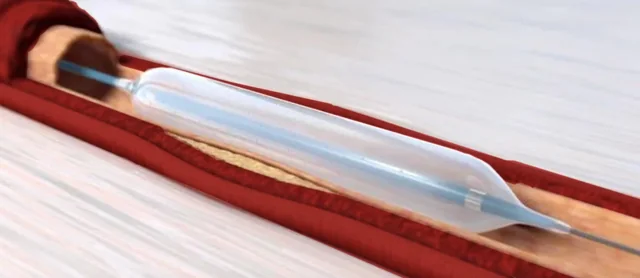
The Latest Treatments for Peripheral Artery Disease (PAD)
Peripheral Artery Disease (PAD) is a progressive vascular condition marked by reduced blood flow to the lower limbs, resulting in pain , cramping , and chronic wounds that heal slowly. PAD…
Read article →