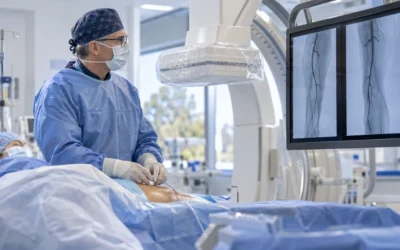
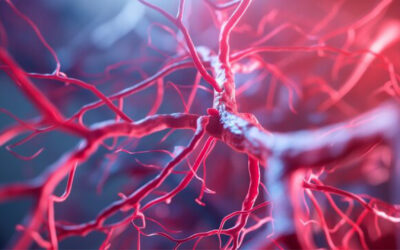
Peripheral Artery Disease (PAD) is commonly associated with leg pain or discomfort while walking, but its impact extends far beyond the lower extremities. PAD is not just a localized condition—it is a systemic vascular disease that reflects a much broader problem within the circulatory system. When PAD is present, it often indicates that similar processes are occurring throughout the body, affecting overall vascular health in ways that many patients may not immediately recognize.
How Peripheral Artery Disease Affects the Entire Vascular System
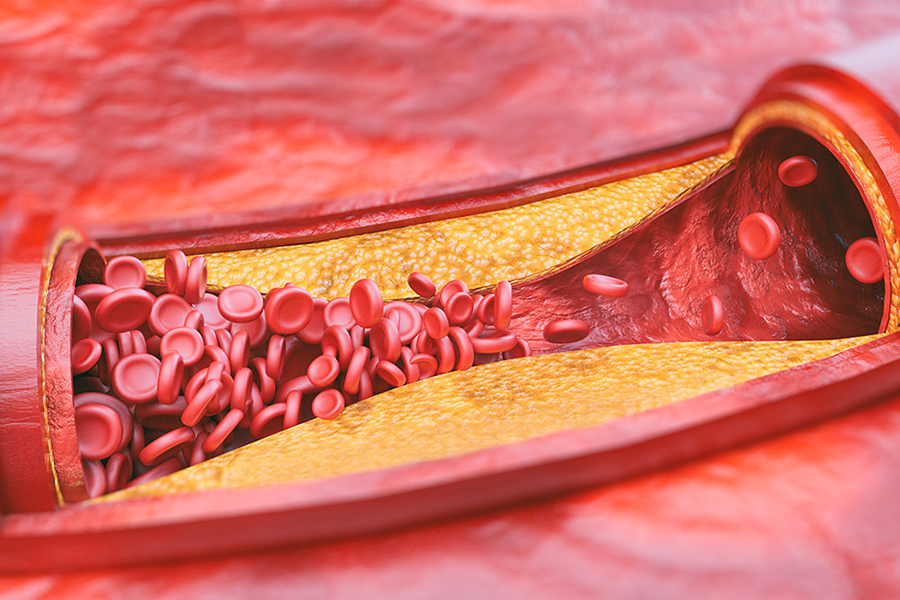
At its core, PAD is caused by atherosclerosis, a condition in which plaque builds up inside the arteries, narrowing them and restricting blood flow. While this is often first noticed in the legs due to symptoms like cramping or fatigue during movement, the same arterial narrowing can occur in vessels that supply the heart and brain. This connection explains why patients with PAD face a significantly higher risk of heart attacks and strokes. In many cases, PAD serves as an early warning sign that the entire vascular system is under strain.
Reduced Blood Flow and Poor Circulation Symptoms in PAD
One of the most important consequences of PAD is reduced blood flow. Blood is responsible for delivering oxygen and essential nutrients to tissues, and when circulation is compromised, the effects can be widespread. Patients may begin to notice symptoms such as muscle fatigue, heaviness in the legs, or numbness in the feet. Over time, this lack of proper circulation can lead to slow-healing wounds, skin changes, and even tissue damage. What may start as mild discomfort can gradually progress into more serious complications if not addressed early.
Chronic Limb-Threatening Ischemia (CLI): A Serious PAD Complication
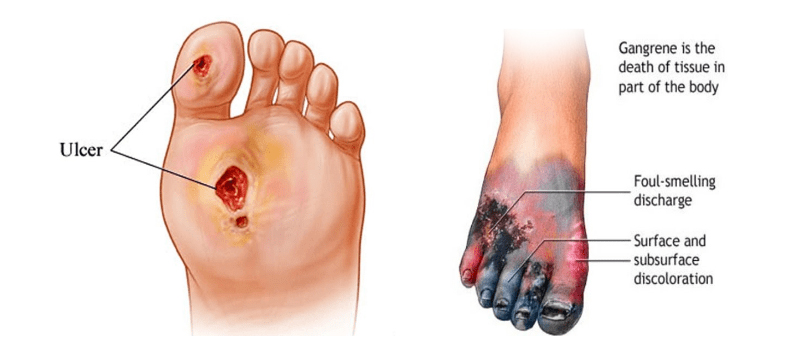
As PAD advances, it can develop into a more severe condition known as chronic limb-threatening ischemia (CLI). At this stage, blood flow is so restricted that tissues begin to deteriorate, leading to persistent pain—even at rest—and wounds that fail to heal. Without timely intervention, this can result in infection, gangrene, and in severe cases, amputation. This progression highlights why early diagnosis and management are critical in preventing irreversible damage.
How PAD Impacts Mobility and Quality of Life
Beyond the physical symptoms, PAD can significantly impact a patient’s quality of life. Pain during walking often leads individuals to reduce their level of physical activity, which in turn worsens circulation and accelerates disease progression. This creates a cycle where decreased movement leads to poorer vascular health, and poorer vascular health further limits mobility. Breaking this cycle requires both medical treatment and lifestyle changes aimed at improving circulation and overall cardiovascular function.
PAD Treatment Options to Improve Circulation and Vascular Health
Managing PAD involves a comprehensive approach that addresses both the symptoms and the underlying causes. Controlling risk factors such as high blood pressure, high cholesterol, diabetes, and smoking is essential to slowing disease progression. Structured exercise programs can help improve circulation and walking tolerance, while medications may be used to prevent clotting and enhance blood flow. In more advanced cases, minimally invasive procedures such as angioplasty or stenting can restore circulation and significantly improve outcomes.

Early Diagnosis of Peripheral Artery Disease Is Critical
Early detection remains one of the most powerful tools in managing PAD and protecting overall vascular health. Many patients dismiss early symptoms as signs of aging or fatigue, delaying evaluation until the condition becomes more severe. Diagnostic tools such as the ankle-brachial index, Doppler ultrasound, and vascular imaging allow specialists to identify circulation issues early and develop targeted treatment plans before complications arise.
Expert PAD Care at Washington Vascular Specialists
Peripheral Artery Disease is more than just a condition affecting the legs—it is a reflection of your overall vascular health. Recognizing its broader impact and seeking timely care can prevent serious complications and improve long-term outcomes. At Washington Vascular Specialists, we focus on identifying the root causes of vascular disease and providing advanced, personalized treatment options to help patients regain mobility and protect their health.

If you are experiencing leg pain, slow-healing wounds, or signs of poor circulation, do not ignore them. Early intervention can make a significant difference. Schedule a consultation with Washington Vascular Specialists today and take the first step toward better vascular health.