
Carotid Artery Disease (CAD)
Carotid Artery Disease is a blood clot that affects major blood vessels along the neck region. The carotid arteries, which transport oxygen-rich blood to the brain, start to narrow or even get…

Overview
Carotid Artery Disease is a blood clot that affects major blood vessels along the neck region. The
carotid arteries, which transport oxygen-rich blood to the brain, start to narrow or even get
blocked. This might be because of a buildup of fatty deposits in your body called plaque.
Carotid artery disease is a slow-developing process but can be life-threatening. Since your brain
cells are barred from receiving oxygenated blood, they may start to die. The risks of suffering a
stroke or transient ischemic attack may follow.

Carotid Artery Risk Factors
- Smoking
- High blood pressure
- High cholesterol levels
- Diabetes
- Obesity and family history of cardiovascular diseases
Carotid Artery Disease Symptoms and Diagnosis
Carotid artery disease may have no symptoms before a stroke or TIA. Call 911 immediately for sudden face drooping, one-sided weakness or numbness, trouble speaking or understanding speech, vision changes, loss of balance, or a severe unexplained headache—even if symptoms go away. Note when symptoms started. Do not drive yourself or wait for an office appointment.
Carotid Artery Disease Treatment Options
There are various approaches to treating CAD, but it all hinges on your doctor. At Washington
Vascular Specialist, our treatment plans aim to reduce stroke risks and promote blood flow and
vascular health.
Our treatment plans include;
Carotid Endarterectomy
This a surgical procedure aimed at removing the plaque deposits from the carotid artery. Our
vascular surgeons access the narrowed artery through a small incision on the neck region. Once
the plaque is removed, your blood flow to the brain is restored. Not that endarterectomy is one of
the most advanced treatments of CAD.
Carotid Stenting:
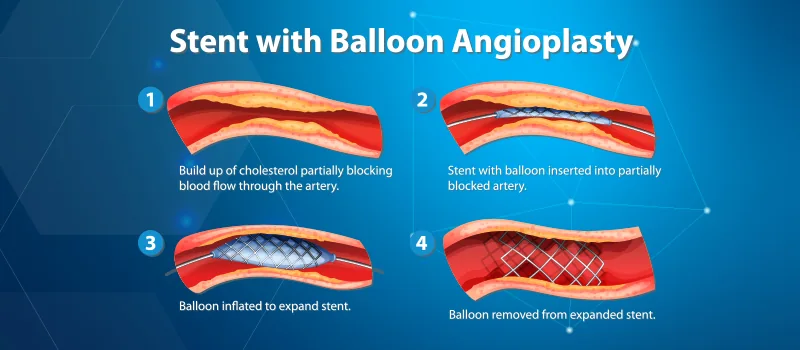
Carotid stenting is a less invasive procedure and an alternative to surgery which uses a stent to
widen the narrow Carotid artery. Our surgeons will make an incision in your groin area and then
thread a catheter through it till it reaches the affected carotid artery.
The catheter has a small balloon that will be inflated once it reaches the blockage. The pressure
will open the narrowing, and the mesh-like stent can be left in the region for structural support.
Medication management
Besides surgical interventions, medication may be prescribed to battle underlying conditions
such as high blood pressure, cholesterol, and diabetes. Antiplatelet drugs like aspirin,
clopidogrel, and anticoagulants may also come in handy.
Lifestyle adjustment
Regular exercise, balancing your diet, and quitting smoking may solidify your chances of better
Carotid artery health. The best doctors will guide and support you during this phase and ensure
your lifestyle optimizes your well-being.
Get the Best Treatment and Care

For non-emergency follow-up after urgent assessment, or to discuss an established diagnosis or risk factors without new symptoms, contact WVS about scheduling. Appointment requests are not a way to obtain emergency care.
More in this topic
View all →
Minimally Invasive Procedures for Peripheral Artery Disease (PAD): Restoring Blood Flow Without Major Surgery
Learn how angioplasty, stenting, and atherectomy may improve blood flow for people with peripheral artery disease (PAD).
Read article →
Peripheral Artery Disease Is More Than Just Leg Pain
Peripheral Artery Disease (PAD) is commonly associated with leg pain or discomfort while walking, but its impact extends far beyond the lower extremities. PAD is not just a localized condition—it is…
Read article →
The Latest Treatments for Peripheral Artery Disease (PAD)
Peripheral Artery Disease (PAD) is a progressive vascular condition marked by reduced blood flow to the lower limbs, resulting in pain , cramping , and chronic wounds that heal slowly. PAD…
Read article →