
Walking Pain After the Same Distance: Could Poor Circulation Be the Cause?
Learn why leg pain after a predictable walking distance may signal PAD, how circulation is tested, and when to see a vascular specialist.
Why Walking Pain Sometimes Follows a Pattern
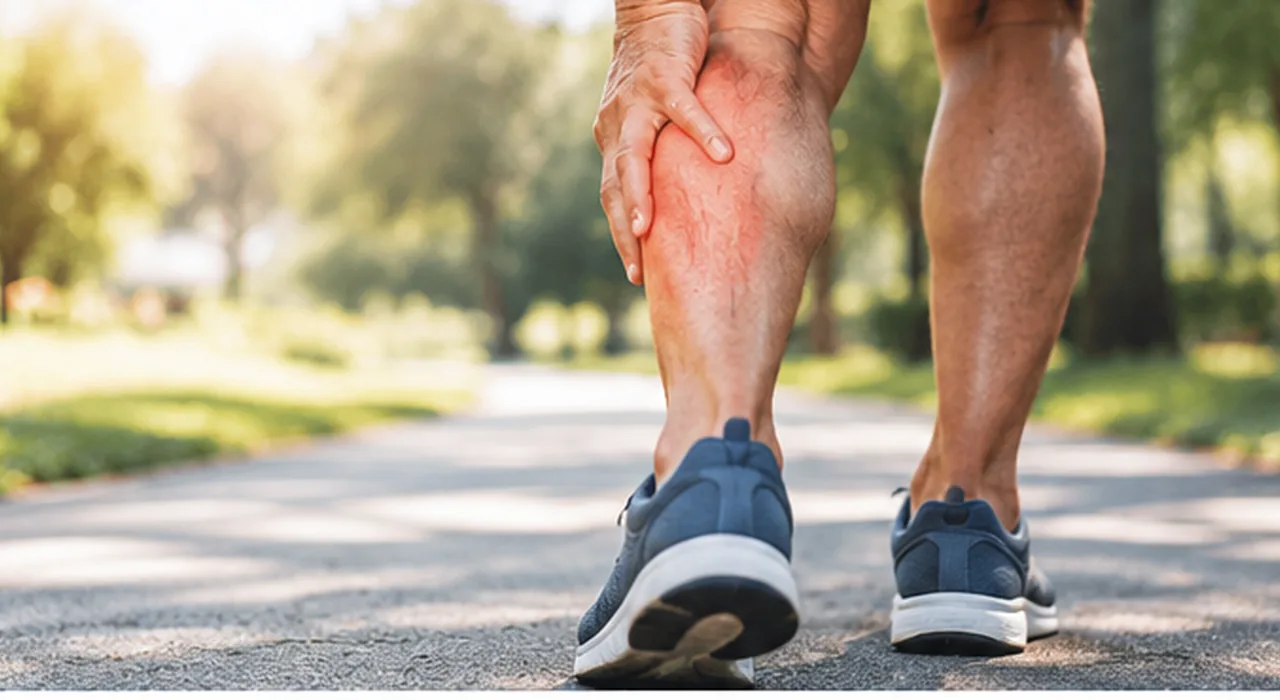
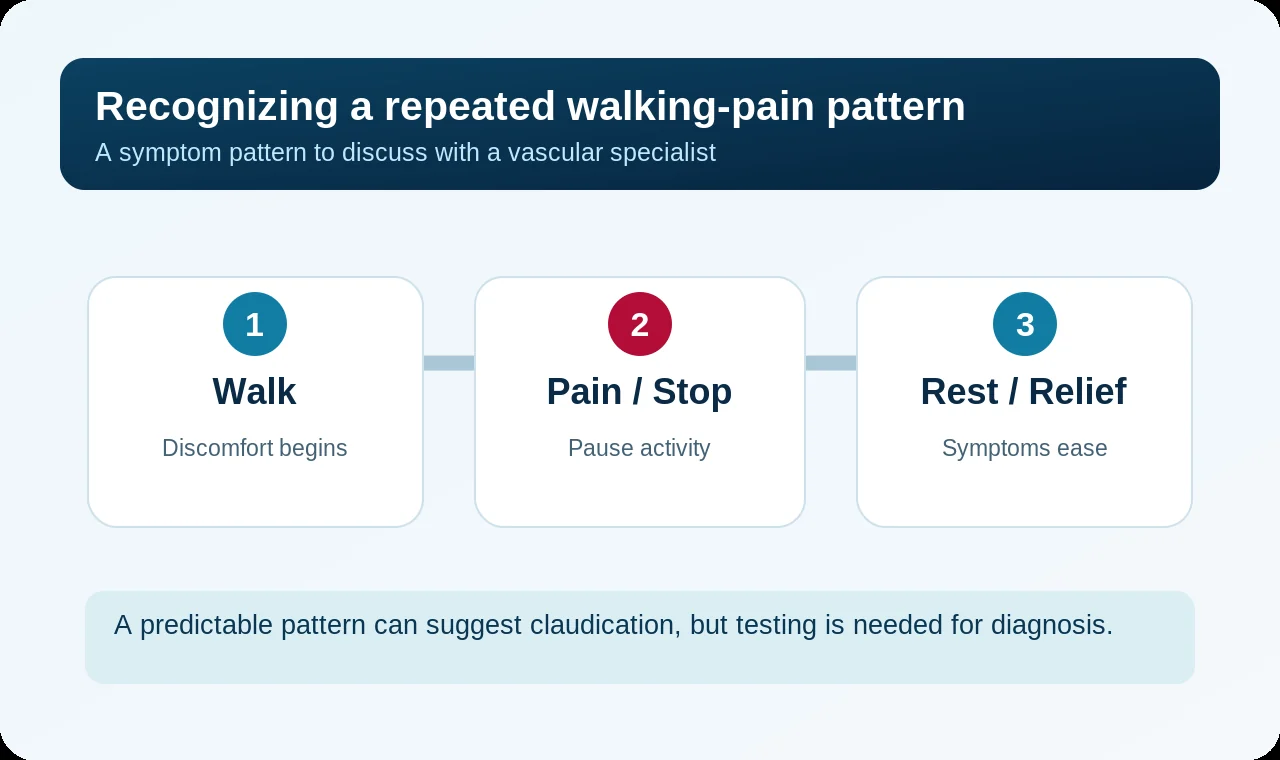
Picture yourself walking through your neighborhood. Everything feels fine at first, but after a few minutes, an uncomfortable tightness develops in your calf. You stop to rest, the pain gradually disappears, and you continue walking. A short distance later, the same thing happens again.
At first, you might blame tired muscles, uncomfortable shoes, or getting older. But when pain consistently develops during activity and improves with rest, it can be a sign that your muscles aren’t receiving enough blood.
Walking pain has several possible causes, and not all are related to circulation. However, recognizing how your symptoms behave can provide valuable clues about your vascular health.
Understanding those clues is the first step toward finding the right treatment.
What Happens to Your Circulation When You Walk?
Walking may seem effortless, but your circulatory system works harder with every step.
As your leg muscles contract, they need additional oxygen and nutrients to keep moving. Healthy arteries respond by delivering more blood to meet that increased demand. Meanwhile, your leg muscles help veins return blood toward your heart.
When these systems function properly, most people can walk without circulation-related discomfort.
Problems may develop when arteries become narrowed or veins struggle to move blood efficiently. Depending on the underlying condition, patients may experience aching, cramping, heaviness, fatigue, or swelling.
The important question isn’t simply whether walking hurts. It’s when the discomfort begins, what makes it better, and whether the pattern keeps repeating.
Walking Pain That Improves With Rest: A Possible Sign of PAD
One of the most recognizable patterns of circulation-related walking pain is called intermittent claudication.
This symptom is commonly associated with Peripheral Artery Disease (PAD), a condition in which plaque buildup narrows the arteries that deliver blood to the legs.
During walking, affected muscles may not receive enough oxygen-rich blood. As their demand increases, discomfort develops. When you stop moving, the muscles need less oxygen, and the pain often improves within several minutes.
Some patients experience symptoms after walking several blocks. Others notice discomfort after crossing a parking lot or climbing a small hill.
The pain may affect the calves, thighs, or buttocks, depending on which arteries are involved.
Not everyone with PAD experiences classic cramping. Some people describe unusual leg fatigue, weakness, or heaviness instead.
Why the Distance You Can Walk Matters
Imagine that you could comfortably walk for fifteen minutes a few months ago, but now you need to stop after five minutes because your legs begin to ache.
That change matters.
A gradual reduction in walking distance may indicate worsening symptoms, changes in physical conditioning, or another medical problem affecting mobility.
For someone with PAD, tracking the distance or time before discomfort begins can help a healthcare provider understand how much the condition is affecting daily activities.
You don’t need to perform a strenuous walking test yourself. Simply pay attention during your normal routine.
Notice whether discomfort appears after a predictable amount of activity, whether hills make it worse, and how quickly it improves when you rest.
These observations can make your conversation with a vascular specialist much more informative.
Is It Poor Circulation, a Nerve Problem, or Joint Pain?
Not all walking pain originates in the blood vessels.
For example, lumbar spinal stenosis can place pressure on nerves in the lower back, causing pain, heaviness, or weakness while walking. Unlike typical arterial claudication, this discomfort may improve more noticeably when sitting or leaning forward.
Arthritis may produce pain centered around a joint, particularly when bearing weight or moving through certain positions. Muscle injuries can cause tenderness or discomfort associated with specific movements.
Venous insufficiency can also create aching or heaviness, frequently accompanied by swelling that worsens after prolonged standing.
These patterns are helpful clues, but they cannot establish a diagnosis on their own. Some patients have more than one condition contributing to their symptoms.
That’s why identifying the exact cause matters before starting treatment.
How Doctors Test Circulation When Walking Becomes Painful
If your symptoms suggest a vascular problem, your specialist will usually begin by discussing your medical history and examining your legs and feet.
A common test for PAD is the Ankle-Brachial Index (ABI), which compares blood pressure in your ankles with blood pressure in your arms.
Sometimes resting measurements do not fully explain the symptoms. In these situations, exercise ABI testing may help identify circulation changes that become noticeable during physical activity.
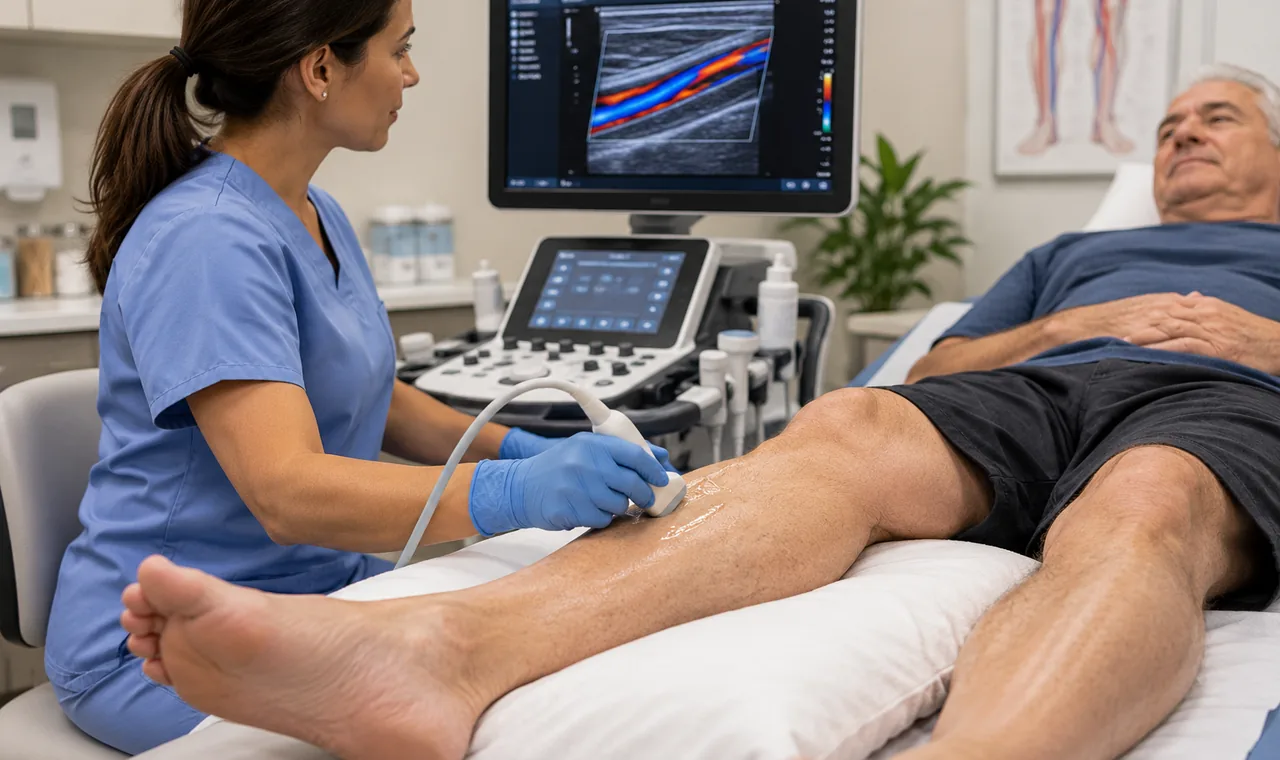
Duplex ultrasound can provide additional information about blood flow and potential narrowing within the arteries.
Depending on the results, your healthcare provider may recommend further imaging to better understand the location and severity of the problem.
The goal is to determine whether reduced circulation is contributing to your walking limitations and what type of treatment would be appropriate.
Can Walking Pain From PAD Be Improved?
For many patients, improvement is possible.
Structured walking exercise is one of the established treatments for PAD-related claudication. A medically appropriate program can help improve walking ability, endurance, and quality of life.
Treatment also focuses on cardiovascular health. Managing cholesterol, diabetes, and blood pressure, stopping smoking, and taking prescribed medications can help reduce important health risks.
Some patients continue to experience significant walking limitations despite these measures. When symptoms remain disruptive, a vascular specialist may discuss procedures designed to improve blood flow.
Depending on the patient’s condition, options can include minimally invasive treatments such as angioplasty or stenting.
The right approach depends on the severity of the disease, the patient’s overall health, and how much symptoms interfere with everyday life.
When Walking Pain Should Not Be Ignored
An occasional sore muscle after unusual activity is different from persistent or worsening walking pain.
Consider scheduling a medical evaluation if you repeatedly need to stop walking because of leg discomfort, notice that your walking distance is decreasing, or experience cold feet, skin color changes, or wounds that are slow to heal.
Pain in the foot while resting can be another warning sign of advanced circulation problems.
Sudden severe leg pain accompanied by a cold, pale, numb, or weak limb requires emergency medical attention. These symptoms can indicate an acute loss of blood flow.
Recognizing symptoms early allows problems to be evaluated before they threaten mobility or tissue health.
Personalized Walking Pain Evaluations at Washington Vascular Specialists
At Washington Vascular Specialists, we understand that walking pain can affect much more than your legs. It can influence your independence, daily routines, and confidence in staying active.
Our team evaluates circulation-related conditions, including Peripheral Artery Disease, leg pain and cramping, calf pain, and pain while walking.
Mubashar Choudry, MD, FACC, specializes in endovascular intervention and interventional cardiology. The physician team also includes vascular surgeons Donald Wilkerson, MD, and Sajid Shah, MD, and cardiovascular and thoracic surgeon Andrei Gursky, MD.
Through vascular evaluation, diagnostic testing, medical management, and minimally invasive treatment when appropriate, our specialists work to identify the cause of symptoms and develop individualized care plans.
Washington Vascular Specialists serves patients in Takoma Park, Frederick, Upper Marlboro, Baltimore, and Germantown, Maryland, as well as Fairfax, Virginia.
Take the First Step Toward More Comfortable Walking
Maybe you’ve started choosing closer parking spaces. Perhaps you avoid longer walks because you’re unsure when the pain will begin.
Small adjustments like these can gradually become part of everyday life, but recurring walking pain deserves an explanation.
If discomfort repeatedly interrupts your walks, Washington Vascular Specialists can help determine whether a circulation problem is contributing to your symptoms.
Call 301-891-2500 or request an appointment online to schedule a vascular evaluation.
Your next walk should begin with confidence, not uncertainty about how far you’ll be able to go.
Frequently Asked Questions About Vascular Health and Walking Pain
Why do my legs hurt after walking a certain distance?
Pain that repeatedly appears after a predictable amount of walking may be caused by intermittent claudication associated with PAD. Other conditions, including nerve compression and musculoskeletal problems, can cause similar symptoms.
Can poor circulation cause pain in both legs?
Yes. PAD can affect one or both legs. Symptoms depend on which arteries are narrowed and how severely blood flow is restricted.
Why does my leg pain disappear when I stop walking?
During rest, your muscles need less oxygen. If PAD is limiting blood supply, this reduction in demand may allow discomfort to improve within several minutes.
Can walking improve PAD symptoms?
Yes. Supervised or structured exercise programs can improve walking performance and quality of life for many people with PAD. Exercise should be appropriate for the patient’s condition and guided by a healthcare professional.
What test checks blood circulation in the legs?
The Ankle-Brachial Index is a common initial test for PAD. Exercise ABI testing and vascular ultrasound may provide additional information when needed.
When should I see a vascular specialist?
Consider an evaluation when walking pain becomes repetitive, progressively limits your mobility, or occurs alongside cold feet, skin changes, or slow-healing wounds.
Related Vascular Health Topics
For additional patient education, explore these Washington Vascular Specialists articles:
- Overcoming Walking Pain: Success Stories and Tips for Lasting Relief
- Exercises to Alleviate Leg Cramping and Improve Vascular Health
- Walking Surfaces and Their Impact on Pain
- Minimally Invasive Procedures for Peripheral Artery Disease
These articles provide more information about walking comfort, improving mobility, and PAD treatment options.
More in this topic
View all →
When Calf Pain Is Vascular: Warning Signs, Diagnosis, and Treatment Options
Learn how to recognize vascular calf pain, including warning signs of PAD, venous insufficiency, and DVT, and when to seek specialist evaluation.
Read article →
Exercises to Alleviate Leg Cramping and Improve Vascular Health
Learn how walking, calf raises, ankle pumps, and gentle stretching may support circulation—and when leg cramps need a vascular evaluation.
Read article →
The Importance of Elevating Your Legs to Reduce Swelling and Improve Circulation
Leg swelling is a common condition that affects millions of people each year. While it may develop after a long day of standing or sitting, persistent swelling is often a sign that your circulatory…
Read article →