Why Leg Swelling Should Never Be Ignored
Leg swelling is a common condition that affects millions of people each year. While it may develop after a long day of standing or sitting, persistent swelling is often a sign that your circulatory system is not functioning as efficiently as it should. Many people dismiss swollen legs, ankles, or feet as a minor inconvenience, but ongoing swelling can indicate an underlying vascular condition that requires medical attention.
One of the simplest and most effective ways to help reduce swelling is by elevating your legs. Although this may seem like a basic recommendation, proper leg elevation can significantly improve circulation, reduce pressure on the veins, and support the body’s natural healing processes. When combined with professional vascular care, this simple habit can play an important role in managing both symptoms and long-term vascular health.
What Causes Leg Swelling?
Leg swelling, also known as edema, occurs when excess fluid becomes trapped within the tissues of the lower extremities. This buildup may result from prolonged standing or sitting, but it is also commonly associated with vascular conditions such as Chronic Venous Insufficiency (CVI), Peripheral Artery Disease (PAD), varicose veins, deep vein thrombosis (DVT), heart disease, or lymphatic disorders.
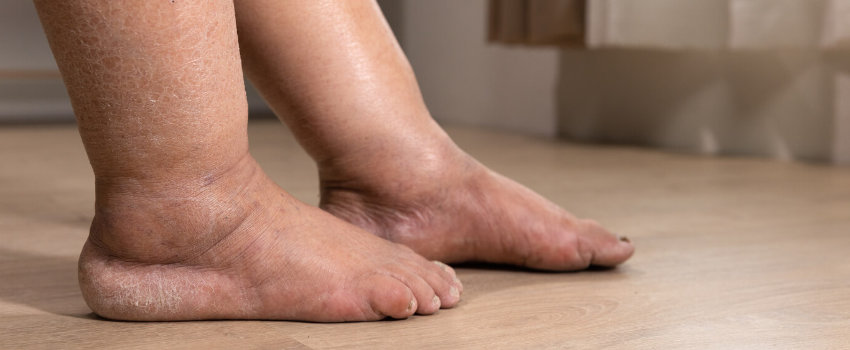
In healthy veins, one-way valves help move blood from the legs back toward the heart. When these valves weaken or become damaged, blood begins to pool in the lower legs. This increased pressure allows fluid to leak into surrounding tissues, causing swelling, heaviness, discomfort, and fatigue. If left untreated, chronic swelling may eventually lead to skin discoloration, venous ulcers, and other complications.
How Elevating Your Legs Improves Circulation
Gravity plays a significant role in circulation. Throughout the day, gravity naturally causes blood and fluid to collect in the legs, especially for individuals who spend long hours standing or sitting. Elevating your legs above the level of your heart helps reverse this process by allowing gravity to assist blood as it flows back toward the heart.
As circulation improves, pressure within the veins decreases, helping excess fluid return to the bloodstream instead of remaining trapped in the tissues. This reduces swelling, relieves feelings of heaviness, and improves overall comfort. Better circulation also allows oxygen and nutrients to reach tissues more efficiently, supporting healthier skin and reducing the risk of slow-healing wounds.
For many patients with chronic venous insufficiency or mild venous disease, regular leg elevation becomes an important part of their daily treatment plan.
When and How to Elevate Your Legs
Proper technique is important to maximize the benefits of leg elevation. Whenever possible, your legs should be elevated above the level of your heart. This position allows gravity to work in your favor and promotes efficient venous return.

Many vascular specialists recommend elevating your legs for approximately 15 to 30 minutes several times throughout the day, particularly after prolonged periods of standing or walking. Supporting your legs with pillows while lying down or using a reclining chair can help maintain the correct position without placing unnecessary strain on your back or hips.
While leg elevation is highly beneficial, it should not replace regular movement. Remaining physically active throughout the day helps keep blood circulating and prevents prolonged pooling in the lower extremities.
Leg Elevation Is Most Effective as Part of a Comprehensive Treatment Plan
Although elevating your legs can significantly reduce swelling, it is important to understand that it addresses the symptom—not always the underlying cause. Persistent swelling often requires a comprehensive vascular evaluation to determine whether an underlying condition is affecting circulation.
Depending on the diagnosis, treatment may also include compression therapy, medications, structured exercise programs, lifestyle modifications, or minimally invasive vascular procedures designed to restore healthy blood flow. Combining these treatments with regular leg elevation often produces the best long-term results.
Patients who experience persistent swelling, skin changes, leg pain, or slow-healing wounds should never rely solely on home remedies without seeking professional evaluation.
Expert Vascular Care at Washington Vascular Specialists
At Washington Vascular Specialists, we understand that swollen legs are often a symptom of an underlying vascular condition rather than an isolated problem. Our experienced specialists use advanced diagnostic technology to evaluate circulation, identify the root cause of swelling, and develop personalized treatment plans that improve both comfort and long-term vascular health.
Whether your symptoms are caused by Chronic Venous Insufficiency, varicose veins, Peripheral Artery Disease, or another circulatory disorder, our team provides comprehensive care using the latest minimally invasive treatment options. Our goal is not only to reduce swelling but also to prevent future complications and help you return to a more active, comfortable lifestyle.

Take the First Step Toward Healthier Legs
If leg swelling has become part of your daily routine, don’t assume it’s simply a normal part of aging. Early evaluation can identify circulation problems before they become more serious and help you avoid complications that may affect your mobility and quality of life.
At Washington Vascular Specialists, we are committed to providing compassionate, patient-centered vascular care that addresses the underlying causes of swelling—not just the symptoms.
Schedule your vascular evaluation today and discover how expert care can help reduce swelling, improve circulation, and protect your long-term vascular health.
Call 301-891-2500 to schedule an appointment with the experienced team at Washington Vascular Specialists.