
Stroke (Vascular Disease)
Stroke belongs to a group of related diseases known as cerebrovascular diseases. These diseases affect the brain and blood vessels and are the fifth most common cause of death in the US. Fortunately,…

Stroke
Stroke belongs to a group of related diseases known as cerebrovascular diseases. These diseases affect the brain and blood vessels and are the fifth most common cause of death in the US. Fortunately, there are treatments for these diseases, especially when diagnosed early. With early treatment, you can prevent any complications, or in case they occur, you manage them better.
What is a stroke
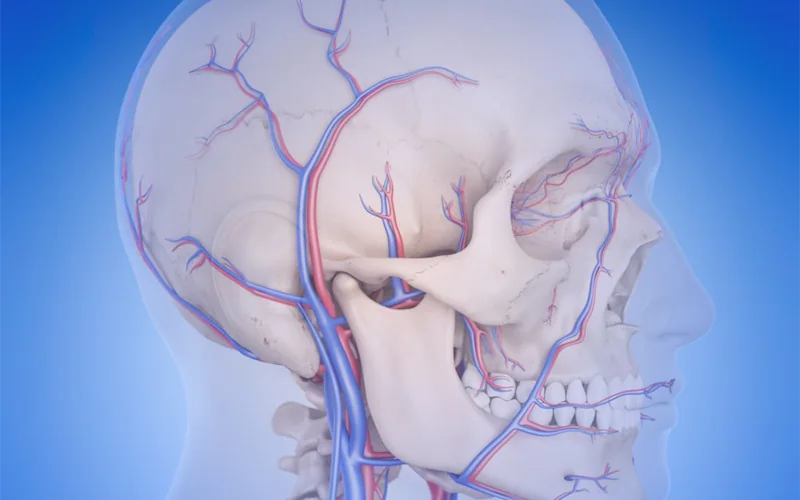
A stroke happens when the part of your brain there is blood flow interruption. The cause of this could either be a clot blocking inside the blood vessel or the blood vessel raptures. When the brain is deprived of blood, it lacks oxygen and nutrients, which causes brain cells to start dying hence the stroke.
Types of Stroke
There are 2 main kinds of strokes; Ischemic as well as Hemorrhagic strokes. Ischemic strokes always occur when blood vessels narrow or get blocked by clots or fat deposits in the vessels. This blockage reduces or stops the flow of blood to the brain. Ischemic strokes are the most common kind of strokes. In severe cases, the blockage affects a large blood vessel which may cause permanent damage.
Hemorrhagic clots happen when a blood vessel ruptures and leaks in the brain. The main causes of a hemorrhagic stroke include:
- Unmanaged hypertension · Overuse of blood thinners
- An ischemic stroke that leads to hemorrhage
- Physical trauma like in car accidents
- Bulging of weak blood vessels
Besides these two types of stroke, there is a third condition known as Transient Ischemic Attack (TIA). It is often known as a ministroke because it has the same symptoms and causes as a stroke, but they only last for a few minutes. While it does not cause permanent damage, if you suspect you have experienced a TIA, it is important to get immediate medical attention. A TIA often heralds a coming stroke and increases your risk for a stroke. It is also a sign that you have a partially blocked artery leading to your brain.
Symptoms of Stroke
Call 911 immediately if you or someone else develops any of the following symptoms. Do not wait to see whether they improve.
- Sudden confusion and difficulty in communication, both speaking and understanding speech
- Sudden development of numbness or paralysis in the arm, leg, or face, especially if it affects only one side.
- Blurred or blacked vision is one or even both eyes.
- Trouble walking due to coordination and balance loss.
- Sudden severe headache with no known cause that could be accompanied by vomiting or altered consciousness

The American Stroke Association recommends using the FAST protocol as an emergency response in helping someone who could be experiencing a stroke.
- F – Face drooping, especially when the person attempts to smile after you prompt him/her.
- A-Arm weakness. If you ask the person to raise both arms, one arm drifts down or is unable to raise it.
- S – Speech difficulty marked by slurring and difficulty to repeat a simple phrase.
- T – Time to call 911 immediately after observing the above signs.
Call 911 immediately for sudden face drooping, one-sided weakness or numbness, trouble speaking or understanding speech, vision changes, loss of balance, or a severe unexplained headache—even if symptoms go away. Note when symptoms started. Do not drive yourself or wait for an office appointment. For non-emergency follow-up after urgent assessment, or to discuss an established diagnosis or risk factors without new symptoms, contact WVS about scheduling. Appointment requests are not a way to obtain emergency care.
More in this topic
View all →
Minimally Invasive Procedures for Peripheral Artery Disease (PAD): Restoring Blood Flow Without Major Surgery
Learn how angioplasty, stenting, and atherectomy may improve blood flow for people with peripheral artery disease (PAD).
Read article →
Peripheral Artery Disease Is More Than Just Leg Pain
Peripheral Artery Disease (PAD) is commonly associated with leg pain or discomfort while walking, but its impact extends far beyond the lower extremities. PAD is not just a localized condition—it is…
Read article →
The Latest Treatments for Peripheral Artery Disease (PAD)
Peripheral Artery Disease (PAD) is a progressive vascular condition marked by reduced blood flow to the lower limbs, resulting in pain , cramping , and chronic wounds that heal slowly. PAD…
Read article →