
TREATMENTS & PROCEDURES · MARYLAND & VIRGINIA
Limb Preservation
When poor circulation, infection or a nonhealing wound threatens a foot or leg, limb-preservation care aims to protect tissue, function and mobility when medically possible. Learn how circulation treatment, wound care and coordinated follow-up fit together.
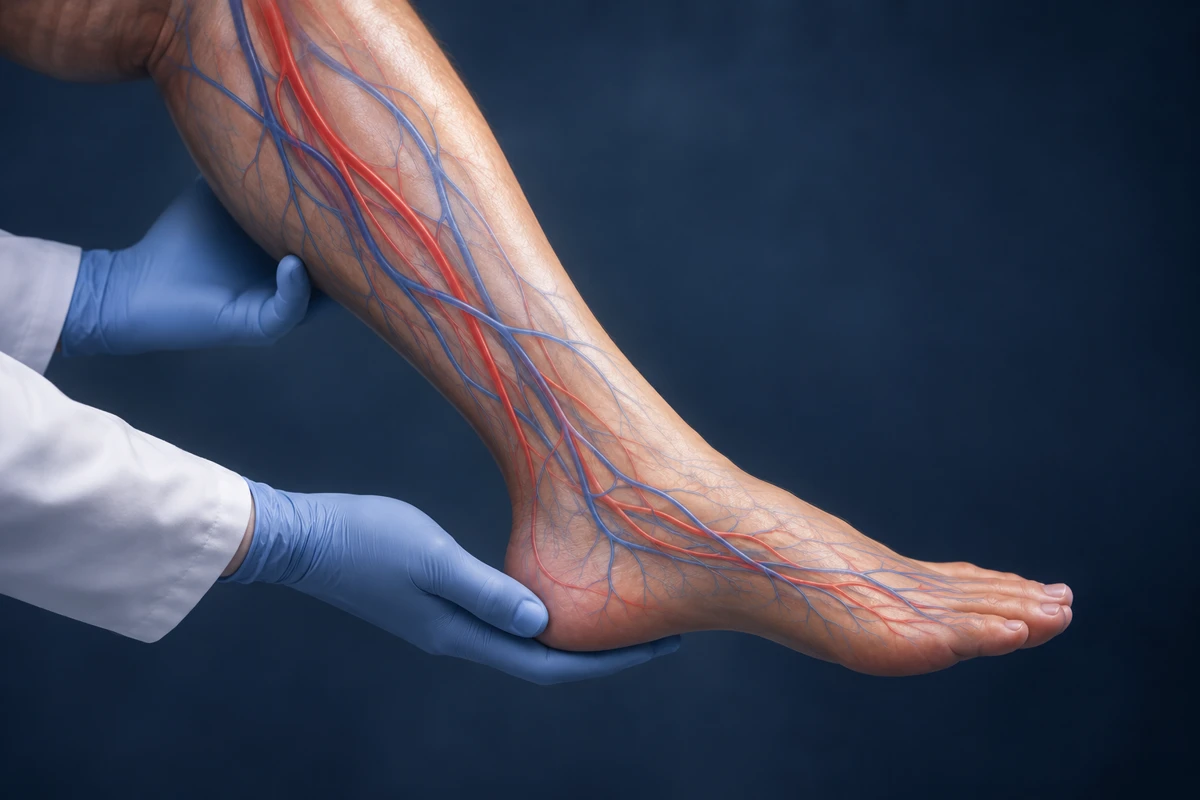
What is limb preservation?
Limb preservation, sometimes called limb salvage or amputation-prevention care, is a coordinated approach rather than a single procedure. It brings together circulation assessment, wound management and other care around a threatened foot or leg. It may involve vascular, wound, podiatry, infection and diabetes care. The right plan depends on what can heal and what is needed to protect your health.
When it may be needed
Advanced PAD can cause persistent foot pain at rest, wounds or tissue damage. Prompt assessment is important. An existing recommendation for amputation may also lead to a discussion of options, but seeking another opinion must not delay emergency treatment.
Understanding the options
The team assesses blood flow, tissue condition and infection. Treatment may include a procedure to restore circulation, wound care, infection control and pressure relief. Sometimes tissue cannot be saved; amputation may be necessary to control infection or protect life.
Organize your records
Bring recent imaging, operation notes, wound records and the names of your current clinicians. Ask what decisions are urgent, which options remain, and how the team will coordinate the plan. Share your mobility goals and any transportation or home-care barriers.
Progress often takes several steps
Ask for a follow-up schedule and a clear point of contact. Your plan may change as circulation and the wound are reassessed. Make sure you understand which activities and footwear are appropriate and how to obtain the recommended supplies.
Set realistic goals together
Preserving a limb cannot be guaranteed. Healing potential, infection, tissue damage and overall health affect the choices. Ask the team to explain the likely benefits, risks and practical demands of each option, including the consequences of delaying treatment.
More about this concern
Your questions, answered.
Is limb preservation the same as wound care?
Wound care is one part. Limb preservation also considers blood flow, infection, pressure, function and whether a vascular procedure or surgery is needed.
Does limb preservation guarantee that amputation can be avoided?
No. The possibility depends on blood flow, infection, tissue damage and overall health. The team should explain realistic goals and when amputation may be the safest option.
Can circulation treatment heal a wound by itself?
Improving blood flow may support healing when arterial disease is part of the problem, but dressings, pressure relief, infection treatment, diabetes care and follow-up may still be required.
Can I request a second opinion?
Yes. Bring the relevant records and ask how urgently you need to be seen. A second opinion should never postpone emergency care.
Let’s talk about your next step.
Our team can help you choose an office in Maryland or Virginia and confirm where your evaluation or procedure will take place.
Patient education sources
General educational information, not a diagnosis or an individual treatment recommendation. Your clinician can explain which options are appropriate for you.