
CONDITIONS · MARYLAND & VIRGINIA
Calf Pain
Calf pain may feel like an ache, tightness, soreness, cramp or throbbing discomfort. The timing, location and associated symptoms help distinguish a muscle problem from a nerve or circulation concern.
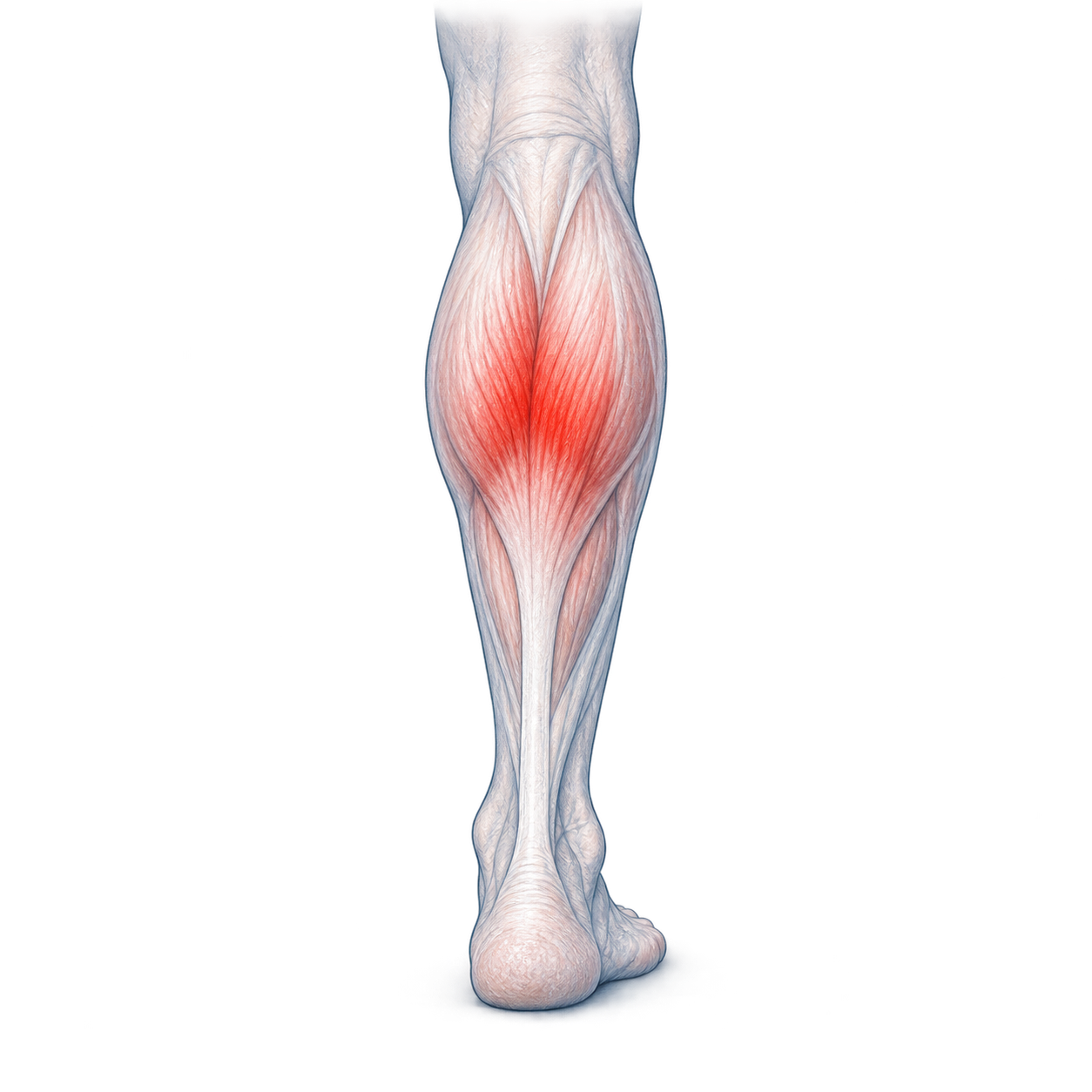
Why does my calf hurt?
The calf is the muscular area at the back of the lower leg. Calf muscle pain can come from overuse, a strain, a cramp, an Achilles or foot problem, a nerve condition, or an artery or vein disorder. Pain at the back of the calf does not automatically mean a blocked artery or blood clot, but the pattern and associated symptoms can help guide the next step.
What can the pattern of calf pain tell you?
- Calf pain while walking that repeatedly improves after stopping can occur with peripheral artery disease (PAD).
- A brief, tight muscle contraction may be a cramp, while soreness after activity may suggest overuse. Frequent, severe or unexplained symptoms still deserve attention.
- A dull ache, heaviness or throbbing discomfort with swelling or visible veins may warrant a vein assessment.
- New pain or tenderness with swelling, warmth or redness in one leg needs prompt assessment for a possible blood clot.
When can calf pain be related to circulation?
Artery narrowing can limit blood flow to working muscles and cause repeatable calf aching, heaviness or cramping during activity. A deep vein thrombosis can cause new one-sided pain, tenderness, swelling, warmth or discoloration. Vein-valve problems may cause aching and swelling after standing. These conditions can resemble muscle or nerve problems, so symptoms alone cannot confirm the cause.
How is calf pain evaluated?
Tell your clinician whether the left calf, right calf or both are affected, where the discomfort begins, and whether it feels sharp, dull, tight or throbbing. An examination may include circulation, muscle, joint and nerve checks. An ankle-brachial index or ultrasound may be appropriate when an artery, vein or blood clot concern is suspected. Other causes may require a different specialist or type of imaging.
Treatment depends on the cause
Care for a muscle injury differs from care for a clot, artery narrowing, nerve problem or leaking vein valves. Treatment may involve activity guidance, medical care or a vascular procedure only when the diagnosis supports it. Ask before starting compression or an exercise plan for new or unexplained calf pain.
Prepare for your visit
Record how far you walk before pain starts, how long it lasts and whether rest helps. Bring your medication list and previous leg scans. Mention recent surgery, long travel, a prior clot or a foot wound. For sudden severe pain, a cold or numb limb, chest pain or breathing difficulty, call 911. New one-sided swelling needs urgent assessment; do not wait for an online response.
More about this concern
Your questions, answered.
When should I worry about calf pain?
New one-sided swelling, warmth or redness with calf pain needs prompt medical assessment. Sudden severe pain with a cold or numb foot is an emergency. Persistent or recurring pain should also be evaluated, even without these warning signs.
Is pain in the left calf different from pain in the right calf?
Either leg can develop muscle, nerve, artery or vein problems. The side alone does not establish the cause. Tell your clinician if symptoms affect one leg or both.
Can calf pain happen without an injury?
Yes. Cramps and circulation or nerve conditions may occur without an obvious injury. New or unexplained pain deserves attention rather than assuming it is a pulled muscle.
How can I tell whether calf pain is muscular or vascular?
The timing offers clues but does not provide a diagnosis. Pain after a specific injury may be muscular; discomfort that begins after a repeatable walking distance may suggest PAD; and new one-sided pain with swelling or warmth needs prompt assessment for a clot.
Let’s talk about your next step.
Our team can help you choose an office in Maryland or Virginia and confirm where your evaluation or procedure will take place.
Patient education sources
General educational information, not a diagnosis or an individual treatment recommendation. Your clinician can explain which options are appropriate for you.