Understanding Walking Pain and Its Impact on Daily Life
Walking is one of the most basic activities we perform every day, yet for many people, it becomes a source of frustration and discomfort. Walking pain can affect your ability to work, exercise, spend time with family, and maintain an active lifestyle. Unfortunately, many individuals assume that pain while walking is simply a normal part of aging. In reality, persistent walking pain is often a sign that an underlying condition needs attention.
Whether the cause is related to poor circulation, joint problems, nerve damage, or muscle strain, walking pain should never be ignored. The good news is that many patients successfully overcome these challenges through proper diagnosis, treatment, and lifestyle modifications.
Common Causes of Walking Pain
Walking pain can originate from a variety of conditions. One of the most common vascular causes is Peripheral Artery Disease (PAD), which occurs when plaque buildup narrows the arteries and reduces blood flow to the legs. Patients with PAD often experience cramping, aching, or fatigue in their calves, thighs, or buttocks while walking. The discomfort typically improves with rest but returns when activity resumes.
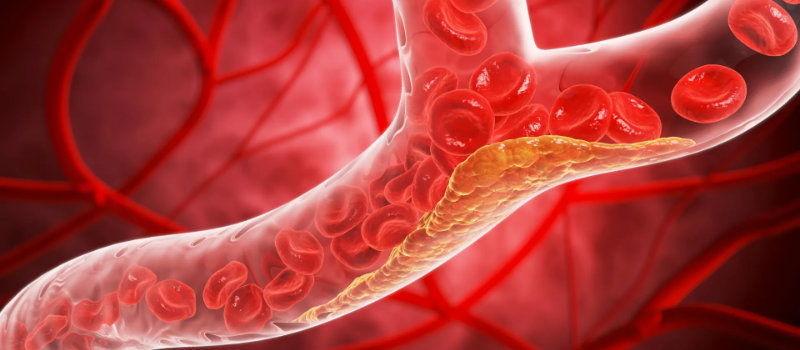
Other causes of walking pain include Chronic Venous Insufficiency (CVI), arthritis, nerve compression, diabetic neuropathy, and musculoskeletal injuries. Because many of these conditions produce similar symptoms, obtaining an accurate diagnosis is essential for effective treatment.
The Importance of Early Evaluation
One of the biggest obstacles to overcoming walking pain is delaying treatment. Many patients spend months or even years adapting their lives around the pain rather than investigating the cause. Unfortunately, waiting often allows the underlying condition to progress.
Early evaluation enables specialists to identify circulation problems, nerve issues, or structural abnormalities before they become more severe. Diagnostic tools such as Doppler ultrasound, vascular imaging, gait analysis, and ankle-brachial index (ABI) testing provide valuable information that helps guide treatment decisions.

The earlier the problem is identified, the more treatment options are available and the better the long-term outcomes tend to be.
Success Stories Begin with the Right Treatment Plan
Patients who successfully overcome walking pain often share one thing in common: they received a treatment plan tailored to the underlying cause of their symptoms. There is rarely a single solution that works for everyone.
For some patients, supervised exercise programs and physical therapy help strengthen muscles, improve circulation, and restore mobility. Others benefit from compression therapy to manage swelling and venous disease. Patients with vascular conditions such as PAD may require medications to improve blood flow or minimally invasive procedures such as angioplasty and stenting to restore circulation.
Many individuals who once struggled to walk short distances are able to return to activities they enjoy after receiving appropriate care. These success stories highlight the importance of seeking treatment rather than accepting pain as a permanent part of life.
Practical Tips for Managing Walking Pain
While professional medical care plays a crucial role, there are several steps patients can take to support recovery and improve their overall vascular health. Staying physically active within your comfort level helps maintain circulation and prevents stiffness. Walking programs, when recommended by your physician, can gradually improve endurance and reduce symptoms over time.

Maintaining a healthy weight reduces stress on joints and improves cardiovascular health. Proper hydration, balanced nutrition, and smoking cessation are equally important, particularly for individuals with vascular disease. Wearing supportive footwear and addressing foot problems early can also help reduce discomfort and prevent further complications.
Most importantly, patients should pay attention to changes in their symptoms. New pain, worsening discomfort, numbness, or slow-healing wounds should always be evaluated by a healthcare professional.
How Washington Vascular Specialists Helps Patients Overcome Walking Pain
At Washington Vascular Specialists, we understand that walking pain affects much more than your legs—it impacts your independence, confidence, and quality of life. Our team specializes in identifying the vascular causes of walking pain and developing personalized treatment plans that address both symptoms and underlying conditions.
Using advanced diagnostic technology and evidence-based treatment options, we help patients improve circulation, reduce pain, and regain mobility. Whether your symptoms are caused by PAD, venous disease, or another vascular condition, we are committed to helping you achieve the best possible outcome.
Every patient’s journey is unique, but one thing remains consistent: overcoming walking pain starts with understanding its cause and taking action early.
Take the First Step Toward Pain-Free Walking
You do not have to accept walking pain as a normal part of life. With the right diagnosis, treatment, and support, many patients are able to return to the activities they enjoy and improve their overall health.

At Washington Vascular Specialists, we are dedicated to helping patients overcome walking pain through comprehensive vascular care and personalized treatment solutions.
Schedule your consultation today and take the first step toward better mobility, improved circulation, and lasting relief.
Call 301-891-2500 to learn more or book an appointment with our expert team.