
CVI Follow-Up: Tracking Symptoms and Reviewing Your Care
Prepare for CVI follow-up with a simple symptom record, questions about compression and skin care, and clear reasons to seek help sooner.

Make the next visit about your everyday life
Once you have a CVI diagnosis, follow-up is a chance to discuss whether your care plan is helping you do the things that matter to you. “My legs are better” is useful; explaining that you can finish grocery shopping more comfortably gives the conversation a clearer starting point.
Choose one or two goals to bring to the visit. They might involve standing at work, putting on prescribed stockings or caring for a skin problem. This article is a way to organize that discussion, not a new treatment prescription.
Keep a brief record you can actually use
You do not need a complicated tracking system. A few dated notes can show what has changed since the previous appointment. Record your usual symptoms and anything new; a diary should never delay care for a sudden problem.
- What activity brought on discomfort, and what did you have to stop doing?
- Was swelling different from your usual pattern?
- Could you follow the prescribed plan? If not, what got in the way?
- Which question do you most want answered at the next visit?
Discuss compression and activity honestly
CVI care can include compression, movement and leg elevation. The plan should fit your condition and other health needs. If stockings are difficult to put on, uncomfortable or unaffordable, tell the team rather than silently abandoning the plan.
Ask them to confirm the garment, fit and wearing schedule appropriate for you. Also ask which activities are suitable and how to work movement into your day. Do not select a stronger compression level because swelling persists.
Sources: MedlinePlus — Compression stockings · MedlinePlus — Venous ulcers: self-care
Give skin changes their own attention
Check your legs and feet for a new sore, a change in color or damaged skin. If you already have a venous ulcer, follow the wound team’s dressing instructions. General skin care and care of an open wound are different tasks; ask which products belong on each area.
Increasing wound pain, redness, warmth, drainage or fever may signal infection and need prompt clinical advice. A wound that is not improving also deserves reassessment.
Agree on a practical follow-up plan
Before leaving, ask when to return, how the team will judge progress and who to contact between visits. If a procedure is discussed, ask which symptom or finding it is intended to address and what ongoing care will still be needed.
For a routine review of an established diagnosis, contact Washington Vascular Specialists about scheduling. Bring your symptom notes and the questions you could not resolve at home.
More in this topic
View all →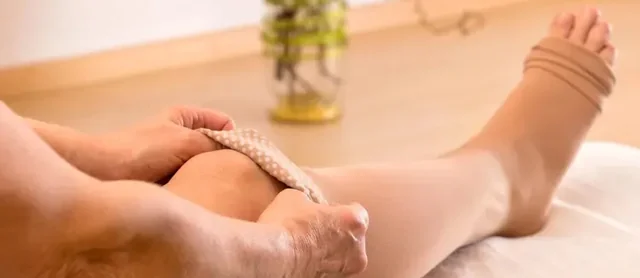
The Role of Compression Stockings in Alleviating Calf Pain
If you’re struggling with persistent calf pain—especially during activities like walking or standing—it may signal more than simple fatigue. In many adults, especially over age 40, calf pain is often…
Read article →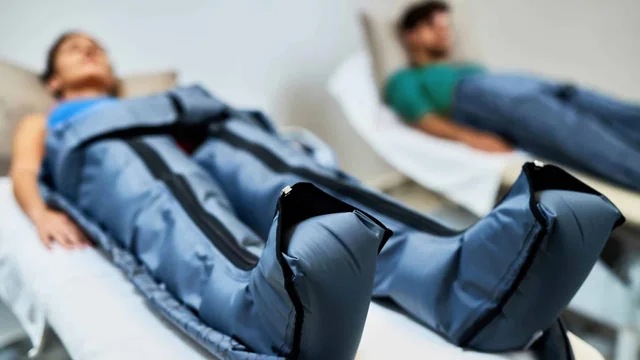
Compression Therapy for Alleviating Leg Swelling
If your legs often feel sore, heavy, or swollen, you’re not alone—and the cause may not be your age or fitness level. In many cases, leg swelling stems from poor circulation or underlying vascular…
Read article →
The Connection Between Calf Pain and Venous Insufficiency
Calf pain is a common condition that can limit mobility and affect daily activities. It may present as a sharp, stabbing sensation or a dull, throbbing ache, often accompanied by muscle tightness,…
Read article →