Leg Cramps Can Be More Than a Muscle Problem
A sudden cramp in your calf can stop you in your tracks. Sometimes the explanation is fairly simple—a hard workout, muscle fatigue, or spending too much time in one position. But when leg cramping repeatedly happens while walking and improves after you stop to rest, your circulation may deserve a closer look.
This pattern can be a symptom of Peripheral Artery Disease (PAD), a condition in which narrowed arteries reduce blood flow to the legs. The discomfort associated with PAD is often called intermittent claudication. Patients commonly describe aching, tightness, heaviness, or cramping in the calf, thigh, or buttock that appears during activity and eases with rest.
Exercise can play an important role in vascular health, particularly for people with PAD. The key is choosing appropriate activities, building up gradually, and understanding when pain should be evaluated rather than simply pushed through.
How Exercise Helps Improve Circulation in the Legs
Your muscles need more oxygen when you move. That increased demand encourages the cardiovascular system to deliver blood more efficiently. Over time, regular physical activity can improve walking ability, cardiovascular fitness, muscle function, and overall vascular health.
For people with PAD, structured walking exercise is an established part of treatment. Regular exercise can help the body use available blood flow more efficiently and may allow some patients to walk farther before claudication symptoms begin.
Exercise also supports many of the health factors closely connected to vascular disease. Staying active can help with blood pressure, blood sugar, cholesterol management, weight control, and cardiovascular fitness.
That does not mean every patient should follow the same exercise routine. Someone with occasional muscle tightness has very different needs from a person with advanced PAD, a nonhealing foot wound, or severe circulation problems.
Walking: One of the Best Exercises for PAD and Vascular Health
You do not need complicated equipment to begin improving your vascular fitness. For many patients, walking is one of the most useful exercises for improving symptoms associated with PAD.
A structured walking program typically alternates periods of walking with periods of rest. A patient walks until moderate claudication discomfort develops, pauses until the discomfort subsides, and then begins walking again. These walk-rest cycles are repeated during the exercise session.
Over time, many patients can gradually increase how long and how far they walk before discomfort forces them to stop.
The goal is not to ignore severe pain. Exercise for PAD should be structured around the patient's medical condition, and people with significant symptoms should discuss an appropriate program with their healthcare provider.
If walking consistently causes calf cramping after approximately the same distance each time, that pattern itself is worth discussing with a vascular specialist.

Calf Raises to Activate the Lower-Leg Muscles
The calf muscles play an important role in lower-extremity circulation. When they contract, they help push venous blood upward toward the heart. This is sometimes referred to as the calf muscle pump.
A simple calf raise can help activate these muscles. While standing near a sturdy chair or countertop for support, slowly rise onto the balls of your feet, hold briefly, and lower your heels back toward the floor. The movement should be controlled rather than rushed.
For patients who cannot comfortably perform standing calf raises, a seated variation may be easier. While seated with both feet on the floor, lift the heels while keeping the toes planted, then slowly lower them.
These exercises may be particularly helpful for keeping the lower legs moving during periods when you would otherwise be sedentary.

Ankle Pumps for Long Periods of Sitting
Long periods of sitting can leave the legs feeling stiff or heavy. Ankle pumps provide a simple way to keep the lower legs moving.
While sitting or lying comfortably, point the toes away from you and then bring them back toward you. Repeating this motion activates muscles around the ankle and calf.
This can be useful during a workday, while traveling, or anytime you have been sitting for an extended period. It should not, however, be considered a treatment for a blood clot or unexplained sudden swelling. New swelling—particularly when it affects one leg and is accompanied by pain, warmth, or redness—requires medical evaluation.
Gentle Calf Stretching for Muscle Flexibility
Not every leg cramp is vascular. Tight or overworked muscles can also contribute to discomfort, which is why gentle stretching may be useful for some people.
One common calf stretch can be performed facing a wall. Place your hands against the wall, step one foot behind you, keep the back heel on the floor, and gently lean forward until you feel a stretch through the calf. Avoid bouncing or forcing the movement.
Stretching can improve flexibility and may help with muscle-related tightness, but an important distinction remains: stretching does not open an artery that has been significantly narrowed by PAD.
If your cramps consistently occur during walking and disappear with rest, improving flexibility alone may not address the underlying problem.
Low-Impact Activities for Overall Vascular Fitness
Walking is especially important for PAD-related claudication, but it does not have to be your only physical activity.
Depending on your health and mobility, cycling or other forms of low-impact cardiovascular activity can help you remain active and improve overall fitness. Some patients find these activities easier on their joints than prolonged walking.
The best exercise is one that is medically appropriate and that you can perform consistently. A modest routine repeated regularly is usually more useful than an overly ambitious workout that leaves you injured or unable to continue.
Patients with significant vascular disease, diabetes-related foot problems, or chronic wounds should ask their healthcare provider about appropriate exercise before beginning a new program.
When Leg Cramping Could Be a Sign of Peripheral Artery Disease
One of the most important things you can learn from exercise is how your legs respond to activity.
PAD-related claudication tends to have a recognizable pattern. Discomfort develops when the muscles need more blood during activity and improves when the demand decreases during rest.
For some people, this happens after walking several blocks. For others, symptoms begin after only a short distance.
You should also pay attention to symptoms such as a foot that feels unusually cold, color changes in the toes or feet, reduced walking tolerance, numbness, pain in the foot while resting, or a sore that is not healing.
Exercise is valuable, but these symptoms should not simply be “exercised away.” They may indicate that blood flow needs to be evaluated.
When Exercise Alone Is Not Enough for PAD
Lifestyle changes and structured exercise are important parts of PAD management, but they cannot resolve every arterial blockage.
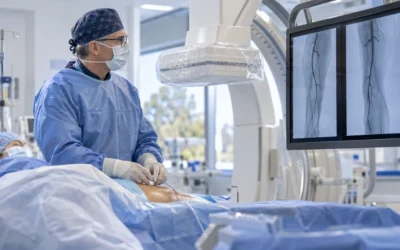
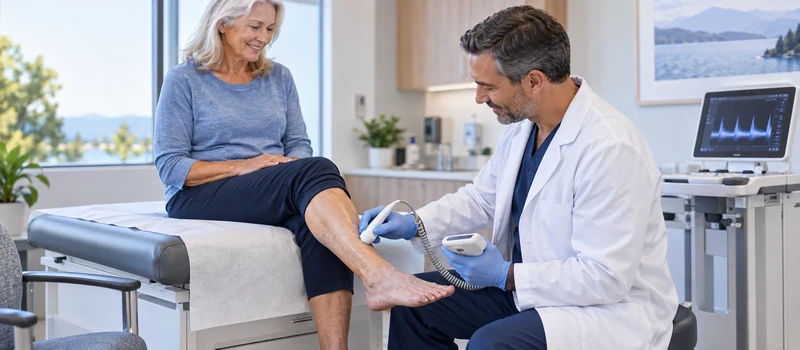
If symptoms continue to interfere with daily activities despite appropriate treatment, a vascular specialist may recommend further testing and discuss additional options. Depending on the severity and location of the disease, treatment can include medication and risk-factor management as well as minimally invasive procedures designed to improve blood flow.
Washington Vascular Specialists provides evaluation and treatment for conditions including Peripheral Artery Disease, leg pain and cramping, pain while walking, unhealed foot wounds, toe ulcers, and other circulation-related problems.
For patients who need revascularization, treatment options may include procedures such as angioplasty, stenting, or atherectomy, depending on the individual's vascular anatomy and medical needs.
Personalized Vascular Care at Washington Vascular Specialists
At Washington Vascular Specialists, the goal is to determine why a patient's legs hurt rather than simply treating the discomfort.
Mubashar Choudry, MD, FACC, founder of Washington Vascular Specialists, specializes in endovascular intervention and interventional cardiology. The physician team also includes vascular surgeons Donald Wilkerson, MD, and Sajid Shah, MD, cardiovascular and thoracic surgeon Andrei Gursky, MD, and the practice's advanced practice providers.
Through vascular testing, clinical evaluation, medical management, and minimally invasive treatment when appropriate, the team can develop an individualized plan based on each patient's circulation, symptoms, overall health, and goals.
Washington Vascular Specialists provides care at locations in Takoma Park, Frederick, Upper Marlboro, Baltimore, and Germantown, Maryland, as well as Fairfax, Virginia, helping patients throughout the region access specialized vascular care closer to home.
Don't Let Leg Cramping Decide How Far You Can Walk
Being active is one of the best things you can do for your vascular health. But there is an important difference between gradually improving your fitness and repeatedly ignoring a symptom that may be telling you something about your circulation.
If leg cramps appear every time you walk, are becoming more frequent, or are limiting the activities you enjoy, consider having your circulation evaluated.
Washington Vascular Specialists can help determine whether your symptoms are muscular, vascular, or related to another condition and develop a treatment plan focused on keeping you active. Call 301-891-2500 to schedule a vascular evaluation and take the next step toward healthier circulation and more comfortable movement.
Book an AppointmentFrequently Asked Questions About Exercise, Leg Cramping, and Circulation
What is the best exercise for poor circulation in the legs?
Walking is one of the most commonly recommended forms of exercise for people with PAD, particularly when performed as part of a structured walking program. The appropriate exercise plan depends on your health, symptoms, and severity of vascular disease.
Should I keep walking when my legs cramp from PAD?
Structured PAD exercise often involves walking until moderate claudication discomfort develops, resting until it improves, and then walking again. Severe or unusual pain should not be ignored. Patients with PAD should work with their healthcare provider to determine an appropriate exercise program.
How can I tell the difference between a muscle cramp and PAD?
Muscle cramps can occur for many reasons. PAD often produces a repeated pattern in which aching or cramping develops during walking or exercise and improves after several minutes of rest. A vascular evaluation can help determine whether reduced arterial blood flow is contributing to your symptoms.
Can stretching improve circulation?
Stretching helps maintain flexibility and movement, but it does not correct a significantly narrowed or blocked artery. Persistent exertional leg pain should be medically evaluated rather than managed with stretching alone.
Can exercise cure Peripheral Artery Disease?
Exercise can significantly improve walking ability, cardiovascular health, and PAD symptoms, but PAD is a chronic vascular condition. Patients also need appropriate management of cardiovascular risk factors, and some may require medications or procedures to improve blood flow.
When should I see a vascular specialist for leg cramps?
Consider an evaluation if cramping repeatedly occurs with walking, limits how far you can go, is getting progressively worse, or occurs along with coldness, discoloration, numbness, rest pain, or a slow-healing wound. Sudden severe symptoms require prompt medical attention.