Why Vascular Health Is Essential for Wound Healing
Every wound, whether it’s a minor cut, surgical incision, or chronic ulcer, depends on one critical factor for healing: healthy blood circulation. The vascular system is responsible for delivering oxygen, nutrients, immune cells, and growth factors that repair damaged tissue while removing waste products and bacteria from the wound site. When circulation is healthy, wounds typically progress through the body’s natural healing process. However, when blood flow is compromised, even small wounds can become chronic, painful, and difficult to treat.
Many people focus only on the visible wound itself, but successful healing begins beneath the surface. Understanding the relationship between vascular health and wound healing is one of the most important steps toward preventing complications and achieving a full recovery.
How Poor Circulation Delays Wound Healing
Blood vessels serve as the body’s transportation network, supplying every tissue with the resources needed for repair. When arteries become narrowed or blocked, or when veins cannot efficiently return blood to the heart, this process is disrupted. The result is reduced oxygen delivery, limited nutrient supply, and slower removal of waste products from damaged tissue.
Without adequate circulation, wounds often remain trapped in the inflammatory phase of healing. New tissue cannot develop properly, bacteria are more likely to multiply, and infections become increasingly difficult to control. Over time, these wounds may enlarge, deepen, or develop into chronic ulcers that require specialized medical care.
Poor circulation is one of the leading reasons wounds fail to heal despite proper cleaning and dressing changes.
Vascular Conditions That Affect Wound Healing
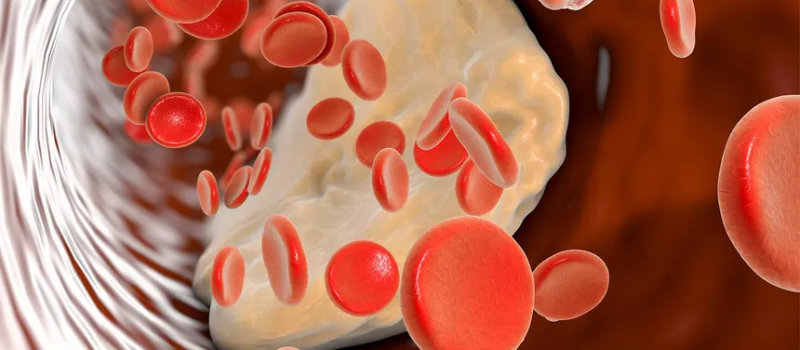
Several vascular conditions can significantly interfere with the body’s ability to heal wounds. Peripheral Artery Disease (PAD) is one of the most common causes. PAD occurs when plaque builds up inside the arteries, restricting blood flow to the legs and feet. As circulation decreases, wounds receive less oxygen and nutrients, making healing much slower and increasing the risk of tissue damage.
Chronic Venous Insufficiency (CVI) can also delay healing. In this condition, weakened vein valves allow blood to pool in the lower legs, increasing pressure within the veins and causing swelling. This excess pressure damages surrounding tissue and contributes to the development of venous leg ulcers that may persist for months without appropriate treatment.
Diabetes further complicates wound healing by damaging both blood vessels and nerves. Reduced circulation combined with diabetic neuropathy makes it easier for injuries to go unnoticed while simultaneously limiting the body’s ability to repair damaged tissue.
Recognizing the Signs of Poor Wound Healing
Not every wound heals at the same rate, but certain warning signs should never be ignored. A wound that remains open for several weeks, increases in size, develops drainage, or produces a foul odor may indicate an underlying circulation problem. Persistent redness, swelling, discoloration, or worsening pain can also signal delayed healing or infection.

In some patients, particularly those with diabetes, pain may be minimal or absent due to nerve damage. This makes regular foot inspections and prompt medical evaluation especially important. Waiting for symptoms to worsen can significantly increase the risk of infection, tissue loss, and more advanced complications.
Improving Vascular Health to Support Healing
Successful wound care extends far beyond treating the wound itself. Improving circulation is often the key to long-term healing. Depending on the underlying condition, treatment may include medications, smoking cessation, blood sugar management, exercise programs, compression therapy, or minimally invasive vascular procedures designed to restore healthy blood flow.
Advanced wound care techniques such as debridement, biologic dressings, negative pressure wound therapy, and infection management work most effectively when circulation has been optimized. By treating both the wound and its underlying vascular cause, specialists can significantly improve healing outcomes while reducing the likelihood of recurrence.
Comprehensive Wound and Vascular Care at Washington Vascular Specialists
At Washington Vascular Specialists, we believe that successful wound healing begins with understanding the health of your circulatory system. Our experienced vascular specialists evaluate not only the wound itself but also the underlying conditions that may be preventing proper healing.

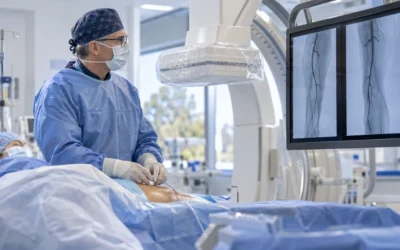
Using advanced diagnostic technology, including vascular imaging and circulation testing, we develop personalized treatment plans tailored to each patient’s needs. Our comprehensive approach combines minimally invasive vascular procedures, advanced wound care therapies, and long-term management strategies designed to improve circulation, accelerate healing, and reduce the risk of future complications.
Whether you’re dealing with a diabetic foot ulcer, venous leg ulcer, arterial wound, or another chronic wound, our team is committed to helping you heal safely while protecting your overall vascular health.
Protect Your Circulation and Promote Better Healing
Healthy circulation is the foundation of successful wound healing. If you have a wound that is slow to heal or you’re living with a vascular condition that affects circulation, early evaluation can prevent serious complications and improve your recovery.
At Washington Vascular Specialists, we are dedicated to providing compassionate, evidence-based care that addresses both the wound and the vascular condition causing it.
Schedule your consultation today and learn how improving your vascular health can help your wounds heal faster and reduce your risk of long-term complications.
Call 301-891-2500 to schedule an appointment with the expert team at Washington Vascular Specialists.