
Hospital Stays and Pulmonary Embolism: Planning Prevention
Questions to ask about blood-clot prevention during a hospital stay, safe movement, prescribed medicines and the plan for going home.

Ask about prevention early
A hospital admission can change how much you move and may involve illness, injury or surgery. These circumstances can raise the risk of a deep vein clot. A clot that travels to the lungs can cause a pulmonary embolism, or PE.
If a stay is planned, ask about clot prevention beforehand. If you are already admitted, ask the team what your current prevention plan is. This is a discussion about reducing risk, not a recommendation that everyone have a scan for PE.
Sources: NHLBI — VTE causes and risk factors
Share the history that changes the discussion
Tell the team about previous DVT or PE, a known clotting disorder, recent surgery, cancer treatment and periods when you have been unable to move normally. Bring an accurate medication list, including medicines that affect clotting.
Also mention a history of serious bleeding or problems with a previous blood thinner. The team needs that information when deciding which prevention measures are appropriate.
Sources: NHLBI — VTE causes and risk factors · NHLBI — VTE treatment
Understand the parts of your plan
Depending on your situation, prevention may include movement, a device that intermittently squeezes the legs, or prescribed anticoagulant medicine. Some people need a combination. Ask what each measure is for and when it should be used.
If walking is allowed, follow the staff’s instructions and ask for help when you need it. If you must remain in bed, ask which leg movements are safe. Do not remove prescribed equipment for long periods without discussing the problem with the team.
Sources: NHLBI — Preventing blood clots
Speak up when the plan is difficult
A prevention plan is easier to follow when the practical details are clear. Tell the nurse if a device hurts, if you are afraid of falling, or if you do not understand a medicine. Ask for an explanation you can repeat in your own words.
Useful questions are: What is my main clot risk? What are we doing about it today? What changes if I cannot get out of bed? Who should I tell if I miss a dose or notice bleeding?
Carry the conversation through discharge
Clot risk can continue after leaving the hospital. Before going home, confirm whether prevention medicine or other measures should continue, how long the prescribed plan lasts, and who will answer questions. Do not start aspirin or another blood thinner on your own.
Ask for the instructions in writing and make sure you can obtain any prescribed medicine. Your discharge team should explain follow-up and who is responsible for it.
Sources: NHLBI — Preventing blood clots · NHLBI — VTE treatment
Arrange the right follow-up
For non-emergency questions about ongoing vascular care after discharge, contact Washington Vascular Specialists about scheduling and bring the hospital summary. Continue to use the hospital’s discharge contact for instructions specific to your recent admission.
More in this topic
View all →
The Role of Compression Stockings in Alleviating Calf Pain
If you’re struggling with persistent calf pain—especially during activities like walking or standing—it may signal more than simple fatigue. In many adults, especially over age 40, calf pain is often…
Read article →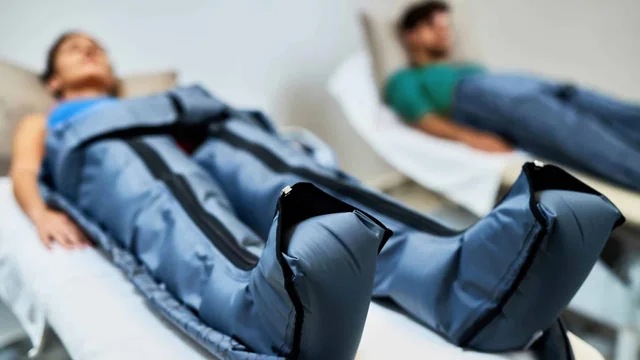
Compression Therapy for Alleviating Leg Swelling
If your legs often feel sore, heavy, or swollen, you’re not alone—and the cause may not be your age or fitness level. In many cases, leg swelling stems from poor circulation or underlying vascular…
Read article →
The Connection Between Calf Pain and Venous Insufficiency
Calf pain is a common condition that can limit mobility and affect daily activities. It may present as a sharp, stabbing sensation or a dull, throbbing ache, often accompanied by muscle tightness,…
Read article →