
Pulmonary Embolism, DVT and CVI: How They Differ
Understand how pulmonary embolism, deep vein thrombosis and chronic venous insufficiency differ, including warning signs and when to seek urgent care.
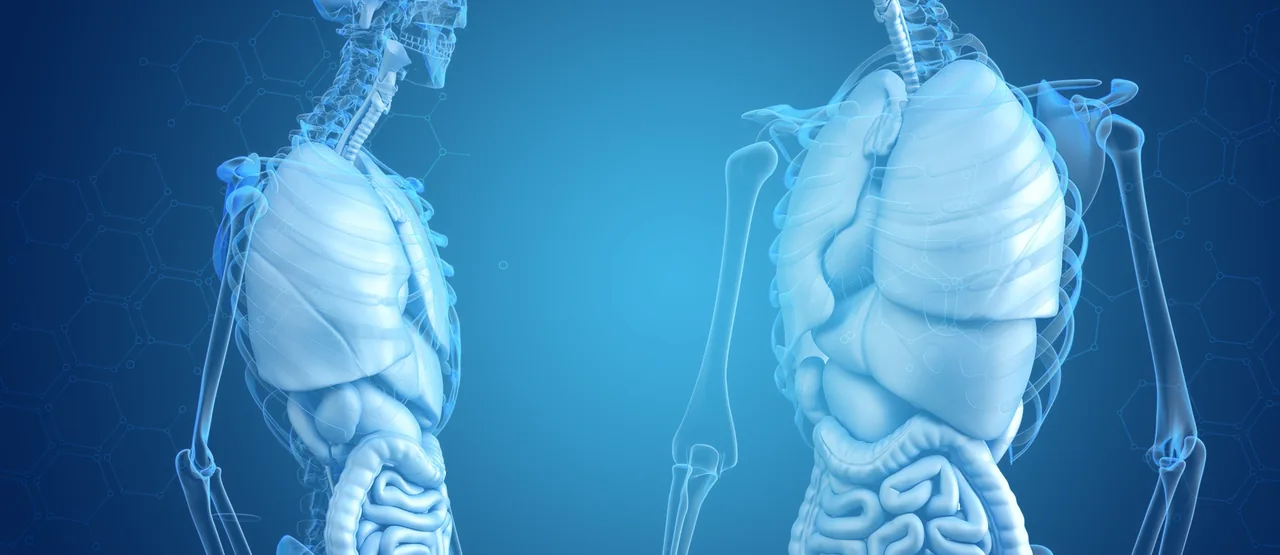
Three terms that describe different problems
Pulmonary embolism (PE) is a blockage in a lung artery, usually caused by a blood clot that travels from a deep vein. Deep vein thrombosis (DVT) is a clot in a deep vein, often in a leg or the pelvis. A DVT can cause PE if part of the clot breaks away and reaches the lungs.
Chronic venous insufficiency (CVI) is a long-term problem with blood returning from the legs toward the heart, often because vein valves do not work properly. It can cause aching, swelling, skin changes and leg ulcers. CVI is not another name for a deep vein blood clot.
Sources: NHLBI — What is venous thromboembolism? · MedlinePlus — Venous insufficiency
How are CVI, DVT and PE connected?
A previous DVT can damage vein valves and contribute to chronic venous insufficiency. A DVT may also lead to PE. These are different consequences of a deep vein clot; having CVI does not, by itself, establish that a person has DVT or will develop PE.
New or changing leg symptoms need assessment even if you already have a diagnosis of CVI. A clinician may use a vein ultrasound to investigate blood flow and check for a clot. Symptoms alone cannot reliably tell you which condition is present.
Sources: MedlinePlus — Venous insufficiency · NHLBI — What is venous thromboembolism? · CDC — About venous thromboembolism
Discuss your individual blood clot risk
Blood clot risk can increase after major surgery or injury and during periods of limited movement. Before an operation or a period when you will be less mobile, ask your healthcare professional whether you need a prevention plan.
That plan should reflect your medical history and circumstances. Ask which activity is appropriate and whether preventive treatment is needed; do not assume that routine treatment for chronic vein symptoms replaces a clot-risk assessment.
Sources: NHLBI — What is venous thromboembolism? · CDC — About venous thromboembolism
How pulmonary embolism is assessed and treated
PE can be life-threatening, but it is treatable. Diagnosis uses clinical assessment and tests, which may include lung imaging and blood tests. Suspected PE requires urgent medical evaluation rather than a routine office appointment.
Treatment often includes anticoagulants, sometimes called blood thinners, to prevent a clot from growing and to reduce new clot formation. Clot-dissolving medicines or a catheter procedure may be appropriate in selected serious cases. Immediate clot removal is not the treatment for every PE. The treating team weighs the severity of the PE against treatment risks, including bleeding.
Sources: NHLBI — Pulmonary embolism · NHLBI — Venous thromboembolism treatment
Planning routine vascular follow-up
For non-emergency follow-up after urgent assessment, or questions about an established vein condition without new symptoms, contact Washington Vascular Specialists about scheduling. Ask which clinician and location are appropriate for your needs.
Bring your diagnosis, imaging reports and medication list to help the team understand the care you have already received. Office calls and online appointment requests are not a way to obtain emergency treatment.
Explore WVS vein-care information · Contact WVS about routine scheduling
More in this topic
View all →
The Role of Compression Stockings in Alleviating Calf Pain
If you’re struggling with persistent calf pain—especially during activities like walking or standing—it may signal more than simple fatigue. In many adults, especially over age 40, calf pain is often…
Read article →
Compression Therapy for Alleviating Leg Swelling
If your legs often feel sore, heavy, or swollen, you’re not alone—and the cause may not be your age or fitness level. In many cases, leg swelling stems from poor circulation or underlying vascular…
Read article →
The Connection Between Calf Pain and Venous Insufficiency
Calf pain is a common condition that can limit mobility and affect daily activities. It may present as a sharp, stabbing sensation or a dull, throbbing ache, often accompanied by muscle tightness,…
Read article →