Faster wound healing requires the correct biology, blood flow optimization, and infection prevention mechanisms on the affected area. Most wound care techniques fail because they don’t address these issues directly, focusing instead on external inconsequential aspects. Let’s see some of the most advanced techniques used when healing and all-inclusive wellness are urgently needed.
Optimizing Blood Flow Before Treating the Wound
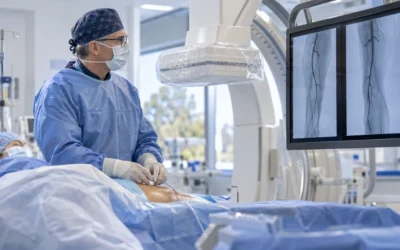
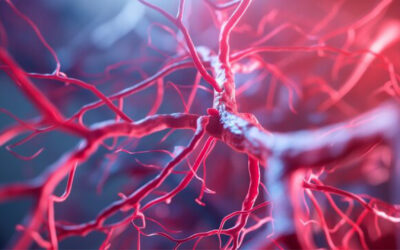
Wounds only start to heal when the causative circulation issues have been fixed. In other words, wounds need to get adequate blood supply that carries oxygen, immune cells, and nutrients. But in most vascular wound cases, either the blood vessels are constricted, blocked, or collapsed. Advanced care techniques begin with perfusion tests and then correcting blood flow with procedures like vein ablation or angioplasty.
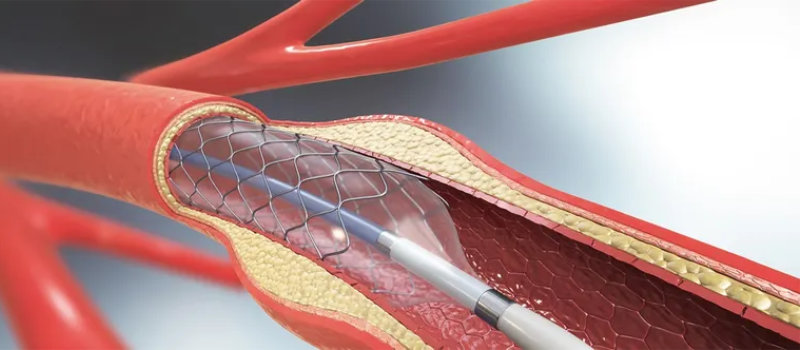
After that, antimicrobial agents may be applied, and finally dressing. Faster healing then occurs because circulation has been restored.
Negative Pressure Wound Therapy (NPWT)
Sometimes, a slow-healing wound must undergo wound vac before any other advanced care techniques are implemented. Negative pressure wound therapy involves pulling fluids and infected tissue from the wound using a suction instrument.
This action not only serves as a deep cleaning mechanism, but it also pulls edges together, which reduces the size of the wounds and increases blood flow. With the proper application of NPWT, the results are faster tissue formation, including new blood vessels and collagen.
Advanced Debridement Techniques
Debridement is the removal of dead, infected, and damaged tissue from wound sites. It removes diseased tissues, which resets the healing processes and allows new tissue to form.
In advanced debridement techniques, enzymatic and ultrasonic methods are used to achieve the same results, but in a much less invasive way.
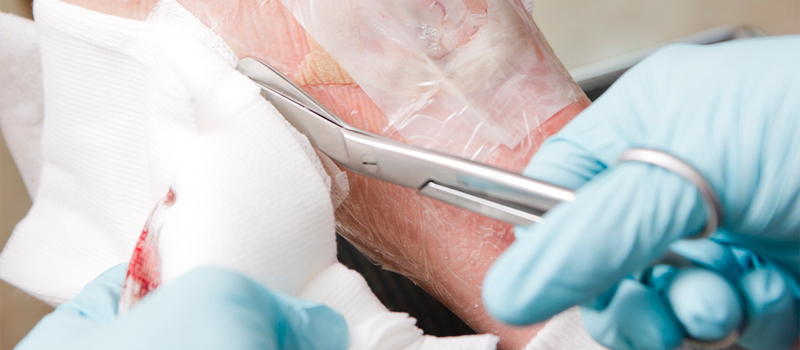
Enzymatic debridement uses an ointment that breaks down and liquefies the targeted dead tissue, leaving healthy tissue untouched. Ultrasonic debridement uses low frequency sound waves to lift off dead tissue and destroy bacterial colonies on the wound. These methods are advantageous because they:
- Are selective and accurate
- Less pain involved
- Leave no damage or trauma behind
- Reduce the need for surgery
Biologic and Cellular Dressings
Standard dressings simply cover wounds, but biologic and cellular dressings provide scaffolding support, living cells, and growth factors that accelerate healing. Biologic and cellular dressings are made from living human, animal, or bioengineered tissues for these very advanced purposes. They jumpstart healing in failing wounds that don’t respond to any other treatment or care technique. These could be:
- Venous leg ulcers
- Diabetic foot ulcers
- Surgical wounds that fail to heal
- Wounds that persist for more than 4 weeks
Pressure Off-Loading and Mechanical Correction
Perhaps the least dramatic cause of many slow-healing wounds is excess pressure or mechanical stress on the affected area. Pressure offloading involves the application of contact casting to distribute and take pressure off the wound. Felted form and removable cast walkers may also be used to reduce constant pressure on the site.
By reducing pressure, the rate of inflammation reduces and tissue repair happens faster. In those stalled healing cases where this technique is not implemented, wounds tend to reopen, and infection cycles restart.
Talk to Us
Slow healing wounds need strategic care techniques to speed up circulation, control and prevent infection and jumpstart healthy tissue growth. At Washington Vascular Specialists, we don’t approach any of these techniques individually. We implement holistic wound care and treatment programs that take into account the patient’s specific needs.
Schedule your consultation today to accelerate healing the right way.