Leg pain is one of the most misunderstood symptoms. Patients can easily misinterpret it as aging or fatigue to the point where the real underlying conditions worsen. Diagnosis can just be as challenging with rising cases of people getting treated for the wrong pain. Below, we shed light on the 5 different types of leg pains, what each means and the proper diagnosis and treatments.
Vascular Leg Pain
Vascular leg pain is commonly related to Peripheral Artery Disease (PAD) which occurs as a result of arterial constriction in the lower limbs. It can also be related to Deep Vein Thrombosis, where a blood clot forms in the deep veins or Chronic Venous Insufficiency, where the vein valves malfunction.
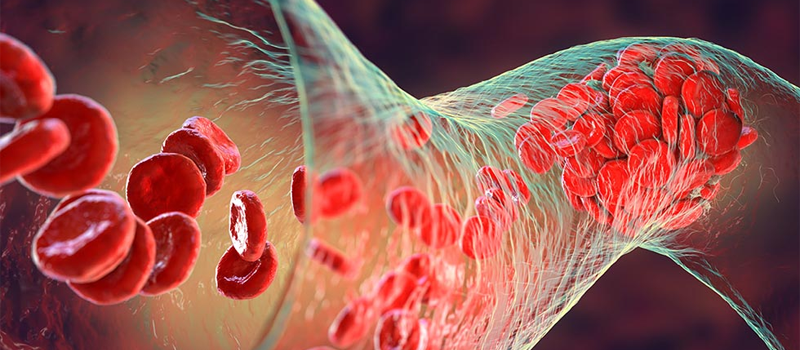
Symptoms of vascular pain include aching and throbbing that occur when walking and disappear when resting. Vascular pain can be confused with arthritis or muscle pain.
This pain can be diagnosed with ankle brachial index tests. Treatment is either medications that reduce clotting and lower cholesterol, or angioplasty and stenting, depending on the severity of the underlying causes.
Neuropathic Leg Pain
Nerve related leg pain feels like tingling, burning or electric zapping. This is one of those highly frustrating conditions because it can easily be misdiagnosed or even not identified because standard MRI and CT scans look normal. But the pain is very real.
The causes of neuropathic leg pain are nerve compression, as in the case of nerve damage caused by diabetes. Other related causes include PAD, Chronic Venous Insufficiency and vascular compression.
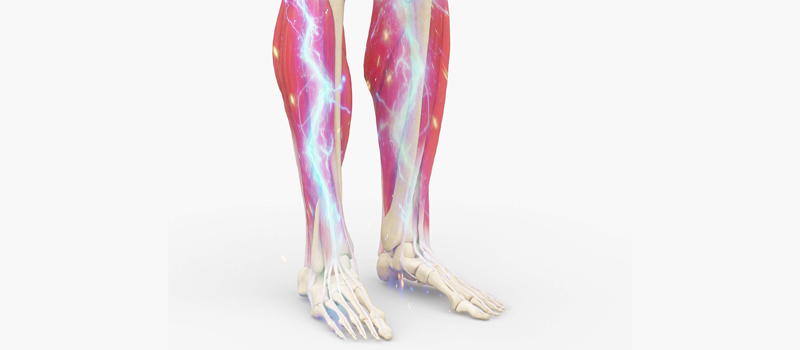
Several specialized tests can help identify neuropathic leg pain and its causes, including electromyography, nerve ultrasound, and magnetic resonance neurography (MRN).
Treatment for neuropathic leg pain includes medication options like anticonvulsants (gabapentin & pregabalin), antidepressants (duloxetine, amitriptyline), and topical (lidocaine, capsaicin). Surgical decompression and peripheral nerve stimulation can also help to accelerate healing.
Musculoskeletal Overuse Pain
This is the most reported type of leg pain among athletes and people whose job requires prolonged standing and walking sessions. As you may suspect, musculoskeletal pain is often blamed for everything, even when the real issue is neuropathic pain or vascular pain. The real musculoskeletal pain occurs due to problems with bones, muscles, joints, ligaments, or tendons. It worsens with movements and improves with rest.
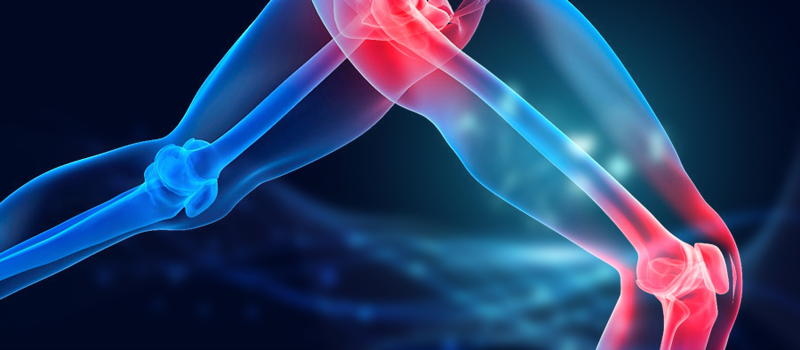
Diagnosis combines clinical and imaging inspections. Treatment options include anti-inflammatory medications, physical therapy, and activity modification. In the event of structural damage, surgery may be prescribed to repair joints and tendons.
Venous Leg Pain
Venous pain manifests as throbbing or dull aching within the leg, commonly worsening at the end of the day. The pain tends to subside with leg elevation or with the use of compression stockings.
However, venous leg pain can progress if not treated. Causes include faulty valves within the vein that allow blood to pool and increase pressure in the legs.
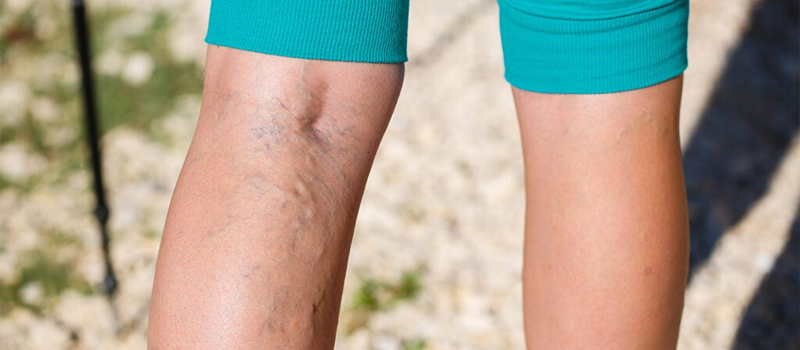
Diagnostic procedures for venous pain include venous ultrasound. It’s commonly treated by compression therapy and minimally invasive surgeries like ablation. These reduce swelling, skin changes and the risk of chronic wounds.
Bone and Deep Structural Pain
Deep bone leg pain feels like it originates from deeper than the tissues. It is persistent and can occur at any time of day, regardless of activity level. The underlying causes commonly include infection, trauma, tumor, and mineral deficiency.
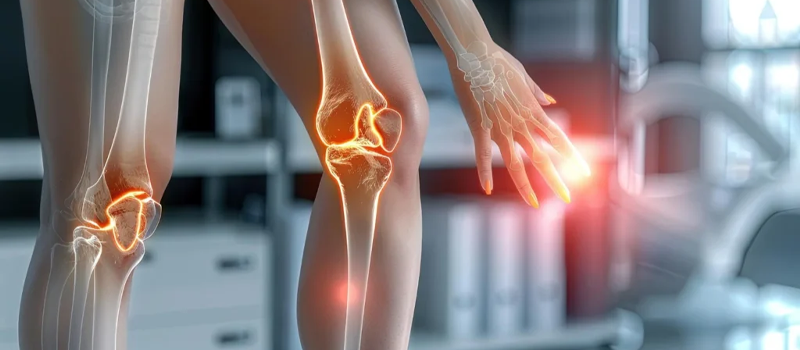
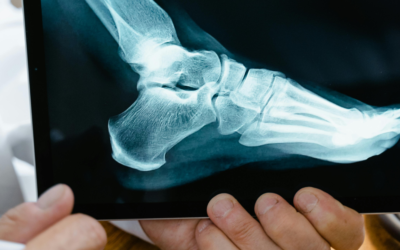
To diagnose deep bone pain, physicians may use X-rays, biopsy, CT scans and MRI tests. Treatment options include OTC pain relievers like ibuprofen and naproxen, prescription medications like antibiotics and NSAIDs, tumor removal, and fracture repair.
Talk to Us
Leg pain is a signal that something is not okay with your health. Causes can be vascular or structural, involving muscles and bones. At Washington Vascular Specialists, we diagnose, treat, and manage all kinds of vascular related leg pains.
Schedule a consultation with us to get an accurate diagnosis and begin the journey to healing.