Understanding Calf Pain and Circulatory Health
If you’re struggling with persistent calf pain—especially during activities like walking or standing—it may signal more than simple fatigue. In many adults, especially over age 40, calf pain is often linked to poor circulation or vascular conditions such as chronic venous insufficiency (CVI), varicose veins, peripheral artery disease (PAD), or even early signs of deep vein thrombosis (DVT). Fortunately, compression stockings offer an effective and accessible method to manage these symptoms.
At Washington Vascular Specialists, compression therapy is a cornerstone of our holistic treatment plans. Let’s explore how compression stockings work and when they can help.

How Compression Stockings Work
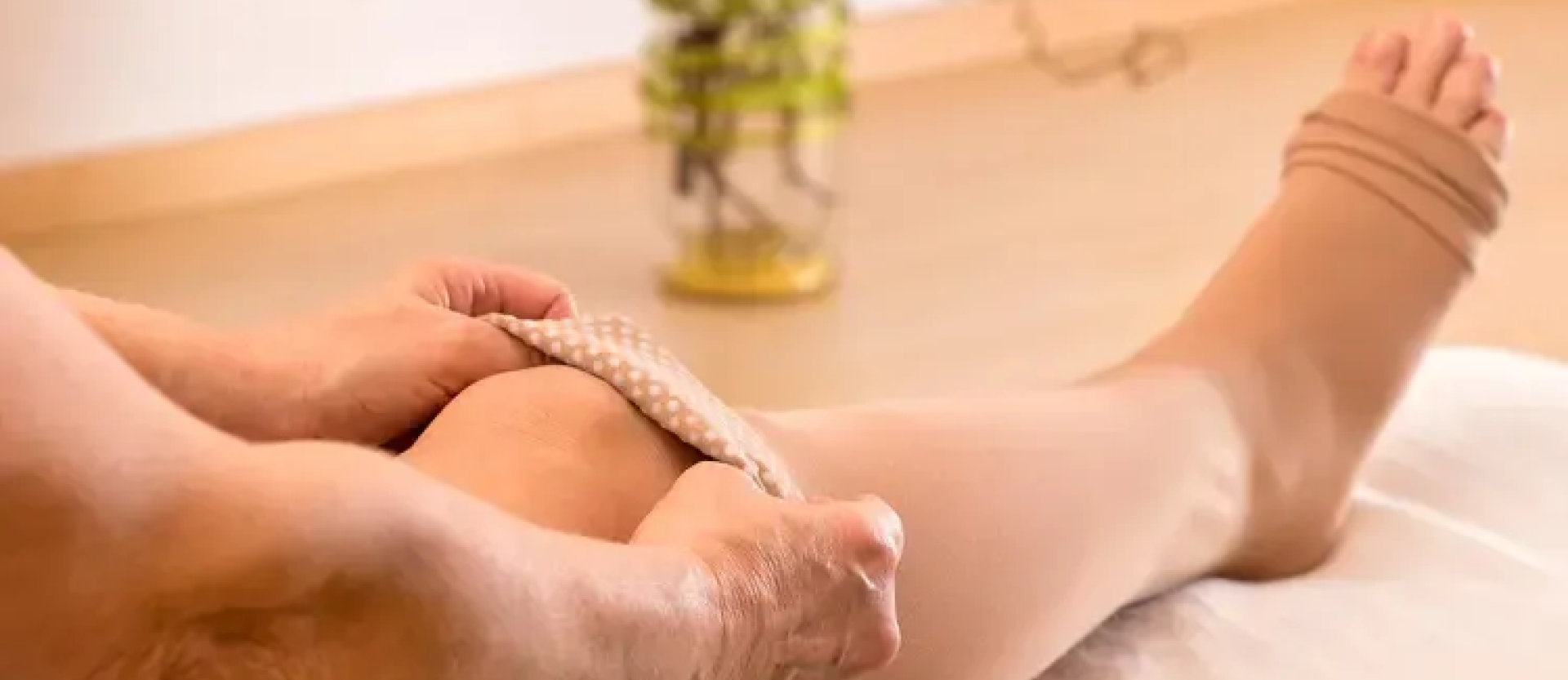
Compression stockings are medical-grade elastic garments designed to apply graduated pressure to the lower limbs—tightest at the ankle and decreasing as they move up the calf. This design helps support weakened veins and faulty valves, encouraging blood to move upward toward the heart rather than pooling in the legs.
By improving venous return and circulation, compression stockings help:
- Reduce swelling
- Minimize cramping and aching
- Prevent blood clots
- Support faster healing in wounds
Depending on your condition, different compression levels (measured in mmHg) can be prescribed. Knee-high styles are typically recommended for calf pain, offering targeted relief without discomfort.
Common Causes of Calf Pain—and Where Compression Helps
Compression stockings provide relief for several underlying vascular issues, including:
- Chronic Venous Insufficiency (CVI)
CVI occurs when leg veins can’t effectively return blood to the heart. This causes blood pooling, swelling, and heaviness in the calves. Compression therapy improves flow and reduces strain on damaged veins.
- Varicose Veins
These enlarged, twisted veins often cause aching and visible swelling. Compression reduces vein pressure, relieves pain, and prevents further vein deterioration.
- Deep Vein Thrombosis (DVT) Prevention
DVT refers to blood clots in deep leg veins, which can become life-threatening if they travel to the lungs. Compression stockings can help prevent clot formation after surgery or long periods of immobility.
- Peripheral Artery Disease (PAD)
While PAD is caused by narrowed arteries (not veins), compression stockings may still help reduce swelling and discomfort, improving quality of life in patients with mild PAD.
Importance of a Proper Fit
Over-the-counter compression socks may not offer the right pressure or fit for your condition. Ill-fitting stockings can actually worsen symptoms or cause skin irritation.
For best results:
- Get a medical evaluation to determine your diagnosis and ideal compression level
- Choose prescription-grade compression stockings tailored to your measurements
- Ensure stockings are snug but not restrictive—your toes should not feel numb or cold
Our vascular experts at Washington Vascular Specialists will guide you through the fitting process and monitor your progress to ensure long-term comfort and effectiveness.
Why Choose Washington Vascular Specialists?
As a leading vascular clinic, we provide:
- Personalized compression therapy plans
- Advanced diagnostic imaging
- Minimally invasive vascular procedures
- Wound care and rehabilitation
We’re committed to helping you find lasting relief through expert-led, evidence-based care.

Book Your Consultation Today
Don’t let calf pain limit your mobility or impact your quality of life. Whether you’re dealing with varicose veins, CVI, or early signs of PAD, compression stockings could be your first step toward healthier legs.
Call us today at (301) 891-2500 or schedule an appointment with Washington Vascular Specialists to find the right compression solution for you.