Grandma’s advice for wounds was simple: “Just keep it clean” and “give it time.” While these are great starting points, modern medicine reveals that chronic vascular wounds are far more
complex than they appear. Beneath the surface, dangerous pathology may be developing—especially if circulation is compromised. That’s why regular vascular wound care check-ups are essential.

Why Vascular Wounds Behave Differently
Healing Requires Blood Flow—Not Just a Dressing
Vascular wounds don’t heal unless the circulatory system is functioning properly. Blood needs to deliver oxygen and nutrients to the wound and remove waste. Without adequate blood flow, tissue regeneration slows or stops. Even small ulcers that seem harmless may hide hypoperfusion issues—reduced blood flow that’s invisible to the eye.
Some of the Most Serious Wounds Are Painless
Many patients, especially those with diabetes, neuropathy, or Peripheral Artery Disease (PAD), lose sensation in their legs or feet. In these cases, wounds may worsen silently. Pain isn’t always a reliable signal, and small injuries may go unnoticed until advanced stages.
According to the American Heart Association, up to 40% of PAD patients experience no symptoms until it’s too late. This delayed detection can result in severe complications like gangrene or amputation, especially among Black Americans, who statistically face a higher risk.
What Happens During a Vascular Wound Check-Up?
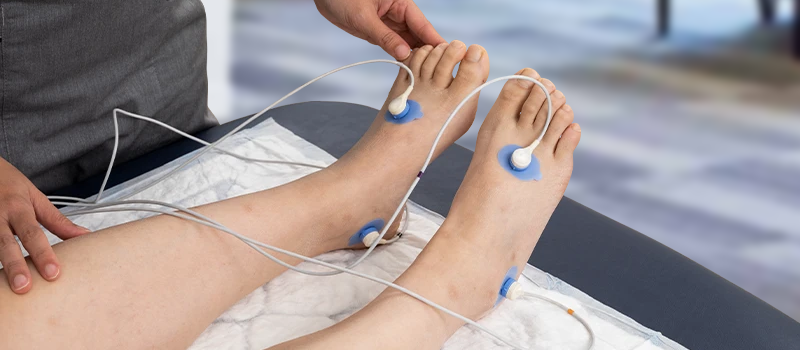
Vascular specialists use several advanced tools to monitor and diagnose wound healing, including:
- Doppler Ultrasound – to assess blood flow in arteries and veins
- Ankle-Brachial Index (ABI) – to compare blood pressure in legs vs. arms
- Transcutaneous Oxygen Measurement (TcPO2) – to test oxygen levels in tissue near the wound
These tests help determine whether current treatments are working or if a change is needed to prevent deterioration.
What Happens After a Check-Up?
Based on the findings, specialists may recommend one or more of the following:
- New topical therapies or antibiotics
- In situ reconstruction or open surgical debridement
- Extra-anatomic bypass procedures
They also typically provide supportive care, including:
- Thorough wound cleaning and dressing
- Antimicrobial dressings for infected wounds
- Compression bandages to support circulation
- Patient education for at-home wound care
Talk to Us
Vascular wounds require systemic treatment and expert surveillance. At Washington Vascular Specialists, we go beyond treating the surface. Our team identifies and resolves the underlying circulatory problems to ensure that healing is complete and lasting.

Don’t ignore a wound just because it looks small. Book your vascular wound check-up today and get the care you need before complications arise.
Call us at 301-891-2500 or visit Washington Vascular Specialists to schedule your appointment.