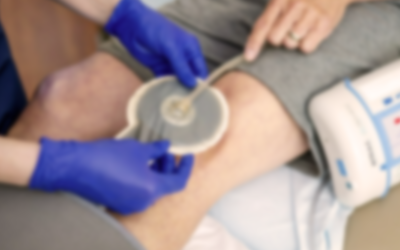
It’s easier to constantly put off a checkup for your wound with the belief that it’s just a small wound. Check-up is not just required when wounds get worse, it’s required to prevent wounds from getting worse. Check-up verifies that treatment is working and that the disease is not progressing.
The human body is a complex system, and there is never a set-it-and-forget treatment program – everything needs frequent adjustments and calibration in line with changing disease patterns. Herein are how exactly regular check-ups preventing wound complications.
Catch Blood Flow Problems Early
The hardest truth in wound care is this – wounds don’t heal until blood flows without interruptions. The most common cause of slow-healing wounds in people with diabetes, PAD, DVT, and similar vascular conditions is that blood flow has been blocked.
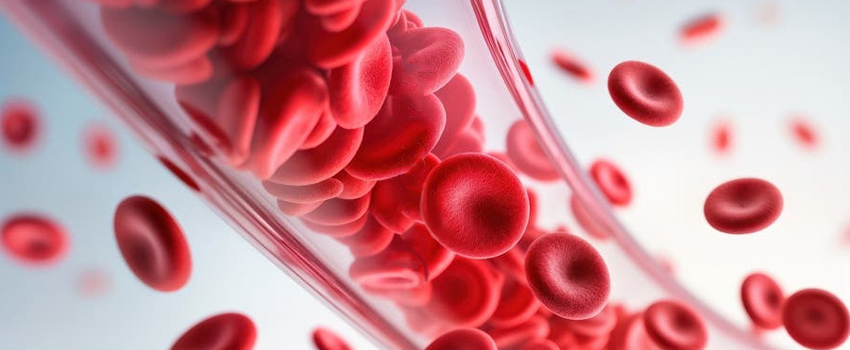
In many of these conditions, damage to blood vessels can easily extend to affect the nerves, so patients don’t even feel pain if the wound progresses. With routine check-ups, physicians evaluate how well blood flows using Doppler studies. Corrective measures can then be implemented early for not only wound care but also for the treatment of the underlying condition.
Find Small Infections Before They Progress
Infections may manifest in the form of swelling, pain, or pus. But not all the time, so you should not wait to see these signs before you go for check-ups. Physicians and surgeons know the uncommon truth – some of the most serious wound infections start and progress silently. Subtle and easy-to-miss signs might be odor changes or increased drainage.
With regular check-ups, affected and infected tissue is identified and removed. Thereafter, biologic and cellular dressings may be used to directly deliver healing and healthy tissue growth on the site. But in the event of delay, bacterial load increases can complicate healing, sometimes leading to limb loss.
Prevent the Wrong Treatment for the Right Wound Problem
The exact causes and nature of the wounds may not be fully apparent in the beginning, and so the prescribed treatments may fail to show positive results. This is one of those rare instances that serves as a reminder of just how complex the human body is and how medicine is only catching up.

Wounds change all the time, too, and so do their underlying causes. That’s the hard reality of life. Regular check-ups give physicians a chance to see that the treatment is working properly or fix a misdiagnosis.
Manage Chronic Conditions
Patients need to understand that whatever is occurring on the surface or within the wound quite often has nothing to do with the wound itself. At least not isolation, because the causes, and by extension healing process of wounds, are regularly influenced by blood sugar levels, hydration levels, and even subtler concerns like how well the patient is sleeping.
During checkup sessions, physicians will identify how these lifestyle factors are affecting your overall health. Wound healing can then progress faster when the invisible barriers are removed.
Reduce the Risk of Amputation
One of the worst prognoses in vascular wound care is amputation. This is often prescribed in the event of severe, uncontrollable infection or to stop gangrene progression. Regular check-ups significantly reduce these risks, so you never have to receive a bad prognosis. During routine evaluations, doctors check for tissue breakdown, infection, and ischemia and recommend limb-saving options before it’s too late.
Conclusion
If you are apprehensive of going for regular check-ups because you fear bad news, you’re wrong. As we have just seen, avoiding checkups actually creates the bad news. At Washington Vascular Specialists, we proactively keep tabs on our patients. We use comprehensive care and treatment program calendars, personalized with patient reminders and automatic follow up appointment setting.
Schedule a visit with Washington Vascular Specialists today!