Toe ulcers are open sores that form when skin and tissue in the foot begin to break down. These wounds can develop due to underlying conditions such as diabetes, peripheral artery disease (PAD), foot deformities, or impaired circulation. Unfortunately, they can be slow to heal and may lead to serious complications if left untreated.
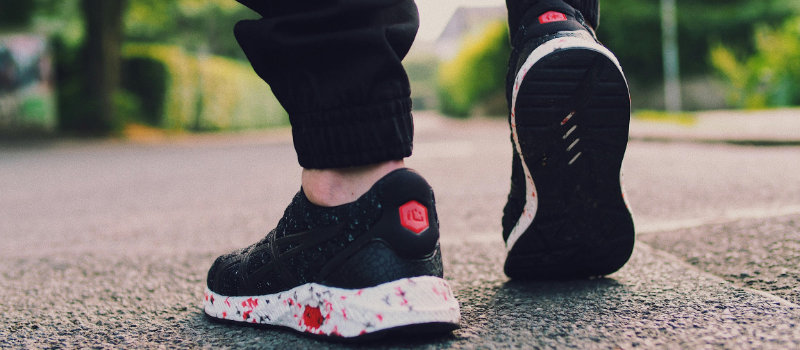
One of the most effective tools in both preventing and managing toe ulcers is proper footwear. The right shoes can significantly reduce pressure on vulnerable areas, improve circulation, and protect your feet from trauma—allowing wounds to heal more quickly and minimizing the risk of recurrence.
Why Footwear Matters for Toe Ulcers
Toe ulcers often develop in areas exposed to excess pressure, friction, or trauma. Footwear designed with pressure distribution in mind helps prevent these injuries and supports healing. By redistributing body weight evenly across the feet, therapeutic footwear reduces stress on common pressure points—particularly around the toes, heels, and balls of the feet.
Moreover, proper footwear enhances blood circulation to the lower limbs. Since poor circulation is a key contributor to the development and slow healing of toe ulcers, maintaining good blood flow is essential for recovery.
Specialized shoes also accommodate structural foot changes that often arise in patients with diabetic neuropathy or PAD. Foot deformities, such as hammer toes or bunions, can increase ulcer risk—orthotic features in therapeutic footwear help alleviate this pressure and improve mobility.
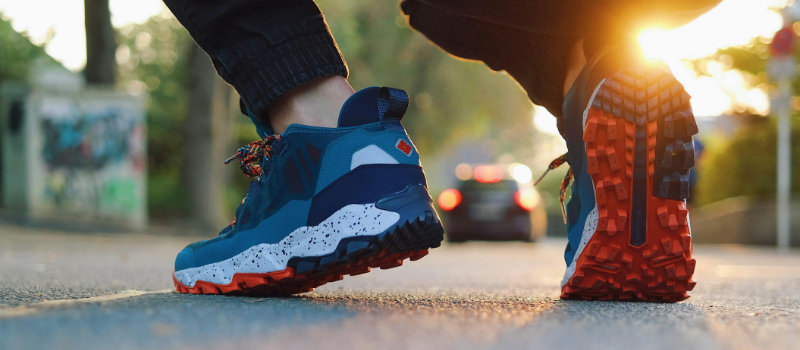
Finally, high-quality footwear acts as a shield from external trauma. Cuts, blisters, and minor injuries—often unnoticed due to reduced sensation in the feet—can become the starting point for toe ulcers.
Features to Look for in Footwear
- Proper Fit
Your shoes should fit snugly—but not tightly. The right fit ensures your feet don’t shift inside the shoe while walking, which helps prevent shear stress and friction. Look for shoes that are long, deep, and wide enough to provide space for toe movement, without compromising support.
There should be a thumb’s width between your longest toe and the front of the shoe, and ample width to avoid squeezing or rubbing.
- Cushioning and Protection
Choose shoes with soft insoles for comfort and firm midsoles for protection. Seamless interiors are important to prevent skin irritation. Enclosed toes and thick rubber soles help shield the feet from accidental impacts or penetration by sharp objects. Avoid flimsy slip-ons or thin-soled shoes—opt for durability and structure.
- Arch Support
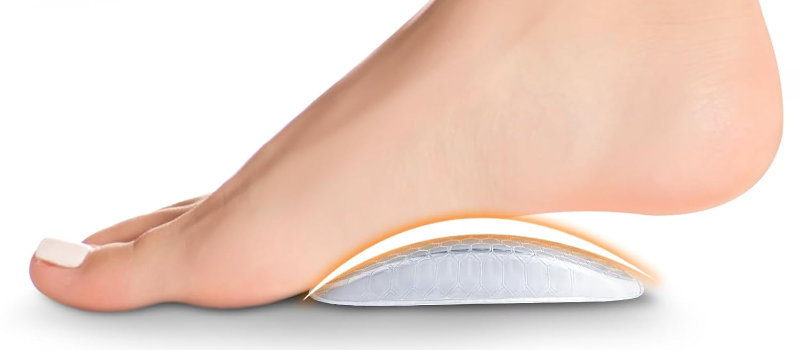
Footwear with solid arch support promotes even weight distribution. Shoes with a heel height of less than one inch are best. High heels or unsupported flats increase forefoot pressure and the risk of ulcers. Footwear should support natural alignment and reduce strain on specific parts of the foot.
Conclusion
Toe ulcers are serious conditions that can lead to complications such as infection or even amputation if not managed properly. The right footwear can make a significant difference—helping to prevent new wounds, support healing, and improve daily comfort and mobility.

At Washington Vascular Specialists, we take a comprehensive approach to managing foot ulcers. Our experts can evaluate your condition and recommend the best footwear solutions as part of your overall care plan. If you are experiencing foot ulcers or need preventative advice, contact us today. We’re here to help you walk toward better health.