Vascular disease is often associated with blocked arteries, especially in conditions like Peripheral Artery Disease (PAD). But the reality is far more complex. Today’s treatment approaches go beyond clearing blockages—they address circulation quality, oxygenation, inflammation, and even genetic factors. With emerging technologies and a deeper understanding of vascular biology, personalized and holistic treatments are reshaping outcomes for patients.
Minimally Invasive Endovascular Therapies
Minimally invasive treatments, especially endovascular procedures, are now the first line of defense in many vascular cases. These procedures involve small punctures rather than open surgery, resulting in faster recovery times and fewer complications.
- AI-Assisted Personalization: Artificial intelligence is increasingly used to personalize treatments. Algorithms analyze patient data to simulate procedures and reduce complications—ensuring safer, more accurate outcomes.
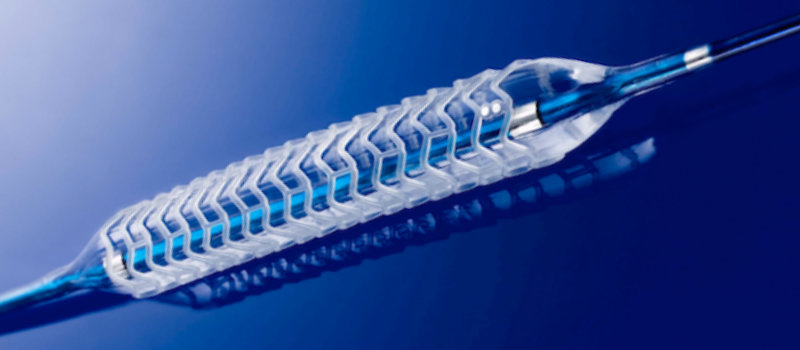
- Bioresorbable Stents: These next-gen stents provide temporary structural support to arteries and dissolve over time. They reduce long-term risks like restenosis compared to permanent metal implants.
- Drug-Coated Balloons (DCBs): These advanced tools combine mechanical and pharmaceutical therapy by widening vessels and delivering medication directly to the artery walls, especially in calcified or complex blockages.
- Atherectomy Devices: New rotational, orbital, and laser atherectomy tools now feature advanced imaging, such as Optical Coherence Tomography (OCT), allowing precise removal of plaque and minimizing damage to the artery.
Gene and Regenerative Therapies
For patients with critical limb ischemia or those unresponsive to traditional therapies, genetic and regenerative medicine is paving a new path.
- Gene Therapy: This technique introduces genetic material to stimulate growth factors like VEGF, FGF, or HGF, which encourage new vessel formation and improve blood flow to ischemic tissues.
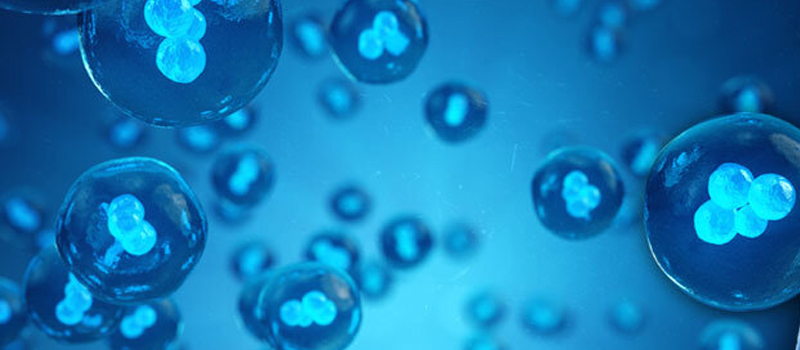
- Regenerative Cell-Based Therapies: Stem cells and progenitor cells (e.g., MSCs and BMMNCs) release healing factors and help regenerate damaged tissue, reduce inflammation, and promote circulation. Promising results have been seen in clinical trials for critical ischemic pain.
Advanced Medication Strategies
Vascular medications are evolving rapidly to address both blood flow and inflammation.
- Dual Pathway Inhibition: Combining aspirin with rivaroxaban has shown significant benefits in reducing clotting risks in PAD patients.
- PCSK9 Inhibitors: These cholesterol-lowering agents go beyond statins by preventing new plaque buildup and reducing the risk of heart attack and worsening limb ischemia.
Integrated, Personalized Care
Today’s vascular treatments go beyond one-size-fits-all. At Washington Vascular Specialists, our multidisciplinary approach blends cutting-edge procedures with lifestyle counseling and long-term risk management. Whether you need angioplasty, stenting, atherectomy, medication, or regenerative care, our team delivers tailored solutions based on your unique vascular profile.

📞 Call 301-891-2500 or schedule an appointment to explore which treatment options are right for you.